Security | Threat Detection | Cyberattacks | DevSecOps | Compliance

Remote Employee Productivity Tracking: The Non-Invasive Playbook for Hybrid Teams

Hybrid and remote work have forever changed the way organizations structure their approach to people, technology, and performance. In Gallup’s 2026 Workplace Indicators, 52% of U.S. employees who can work remotely are in a hybrid model, and 26% are fully remote. As distributed work is here to stay, organisations need a trusted way to understand how employees use business applications, access resources, and do their work, without turning the workplace into a surveillance operation.

Next-Gen Web Filtering for Remote & Hybrid Workforces: Category Enforcement, DoH Defense & SafeSearch

Today, laptops are rarely connected to the corporate network – more often they’re connected to wifi at home, mobile wifi on the road, and a coffee shop hotspot the IT team never set up. Office perimeter firewalls have nothing to analyze when the device leaves the building, and cloud DNS filtering doesn’t work unless the DNS traffic actually reaches the cloud. That’s why more IT teams are moving web filtering to the device itself.

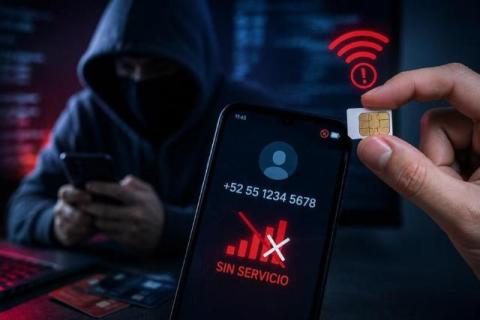
Phone Numbers as an Attack Surface: What SIM Swap and Data Leaks Actually Expose

The majority of security teams' work time is devoted to passive mitigation, password rotation, enabling multifactor authentication, or making authentication more complex and giving much more attention to the phone number in recovery than to other factors. Not a communication channel, but rather an identifier, as said, it's used in many aspects of tools, banking, and also e-mail, and when all thieves discover the methods of using it, that's when trouble arrives.

SalatStealer Malware: Inside a Credential Stealer Built for Repeat Use

SalatStealer is a Go-based infostealer family first observed in August 2026, built for x86 Windows environments and focused on credential theft. Its documented capabilities include stealing authentication credentials, hiding executing code, and degrading security software.

Managed identity threat detection and response (ITDR): what MSPs and security teams need

For MSP service owners and technicians, managed identity threat detection and response comes down to a practical service question: who investigates a compromised client account, and who can contain it after hours? Consistent handling across client environments depends on clear ownership from prevention through recovery. Start by checking the identity coverage already included in your managed detection and response (MDR) service or extended detection and response (XDR) deployment.

What Is Identity Governance and Administration (IGA)? A Complete Guide

Disconnected identity systems create the access risk, audit friction, and IT overhead that identity governance and administration (IGA) is built to close. The 2026 Verizon Data Breach Investigations Report found credential abuse in 39% of breaches. IGA combines policy, certification, and compliance evidence with automated provisioning, deprovisioning, and access requests to keep access aligned with business needs and reduce that risk.

AI security solutions: what they are and how to choose one

Employees can start using an AI tool and share business information with it before IT has reviewed the service or the data involved. AI security solutions help businesses bring that exposure under control without treating every useful AI interaction as something to ban. This guide is written for SMB IT decision-makers evaluating protection for employees who use public or business generative AI tools, often with support from a managed service provider (MSP).