Security | Threat Detection | Cyberattacks | DevSecOps | Compliance

AI Agents Take DC: Inside Washington's Developing Agentic Security Agenda

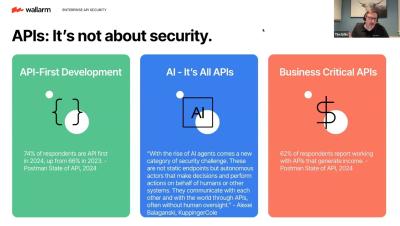
AI Agents have become one of the most discussed emerging technologies in enterprise environments, and now, they’ve captured the attention of policymakers in Washington, DC. Over the past several weeks, a series of developments have brought AI Agents into the national spotlight, particularly through the lens of cybersecurity and regulatory preparedness.

Cursor's One-click Install MCP in Action

In this video, I’m checking out the brand new Cursor 1.0 release and testing one of its most exciting new features — the one-click MCP install. Setting up MCP servers has never been this easy! Join me as I walk through the process, share my first impressions, and see how smooth (or not) the setup really is. If you’ve been curious about Cursor or want to simplify your MCP workflows, this one’s for you.

Security and SRE: An Example from Datadog's Combined Approach

In most companies, Security and SRE organizations are distinctly separate entities and often fall under different executive branches of the company. The work of Security and SRE organizations may appear different, but their goals are the same: keep the company running. This separated structure hinders collaboration, but what if you could change it? Over the past year, Datadog has joined our SRE and Security teams together in a single organization unifying all aspects of reliability.

Building a Threat Intelligence Management Strategy with XDR

Is your security team stopping threats before they enter, or just reacting after damage happens? Because in the current era of advanced cyber threats, a reactive approach isn’t enough. There must be a proactive defense strategy, fueled by threat intelligence! Extended Detection and Response (XDR) solutions help organizations stop attackers, spot weaknesses, and stay protected with cyber threat intelligence data.

How Can Building a Real-Time Asset Inventory Strengthen Your Threat Detection?

Organizations often lack a complete, up-to-date inventory of their IT assets – servers, endpoints, cloud instances, IoT devices, and more – creating security blind spots. Attackers exploit these unknown devices and outdated systems. Without knowing “what you have, you can’t protect it.” Poor asset visibility dramatically increases risk: you’re slower to spot breaches, can’t prioritize defenses, and may fail compliance checks.

Why OCM Is Integral to AI Governance and Compliance

As organizations race to adopt artificial intelligence, many overlook a key success factor: Organizational Change Management (OCM). While AI governance and compliance frameworks provide the structure—policies, controls, and oversight, OCM addresses the human factors that brings these frameworks to life. AI governance requires more than technical controls; it demands cultural alignment, ethical awareness, and behavioral change across the enterprise. That’s where OCM becomes critical.

What Does The EU Cyber Resilience Act Mean for Your Organisation?

The Cyber Resilience Act introduces a comprehensive framework designed to bolster the cyber security infrastructure of organisations operating within the EU. By emphasising the importance of compliance, the CRA aims to establish clear standards that enhance digital resilience and protect against cyber threats. The legislation not only outlines specific requirements but also highlights the benefits for organisations that adhere to these robust security protocols.

Clean Up in the Cybersecurity Aisle: Cybercriminals and Groceries

Picture this: You’re at the supermarket, looking for your favorite brand of cereal. But the shelves are empty, staff are frazzled, and the checkout terminals are flickering ominously. That’s not just a supply chain hiccup, it’s a direct result of the latest wave of cyberattacks targeting the UK’s biggest grocery chains.

How To Enforce Least Privilege on Endpoints

Endpoints, which are physical devices like laptops, desktops and mobile phones that connect to a network, are valuable targets for cybercriminals and are often the weakest links in an organization’s security posture. Enforcing the Principle of Least Privilege (PoLP) on these endpoints is essential to reducing attack surfaces, preventing lateral movement and minimizing potential damage caused by compromised accounts.