The fastest way into cybersecurity isn’t red teaming, it’s understanding risk. SOC roles, fundamentals and learning how businesses think are far more valuable than breaking into systems.
The Zero Trust Engine is a foundational component of the Netskope One platform. It plays a pivotal role in gathering comprehensive risk telemetry and delivering unmatched contextual awareness to enable adaptive, least-privileged access to users, devices, applications, and data. This live demo showcases examples of how the Netskope Zero Trust engine provides full visibility and control.
Securonix continues to demonstrate relentless focus on innovation, including Gen AI-powered SOC agents that drive efficiency and efficacy across security operations.
The usage of smart devices is quickly surging. In the 8th episode of the Little lessons in cybersecurity series, let's stop for a minute and look at how these devices can be exploited by hackers and how we can be vigilant with them. Head to the link here for some more interesting takes on casual habits that invite cyberthreats.
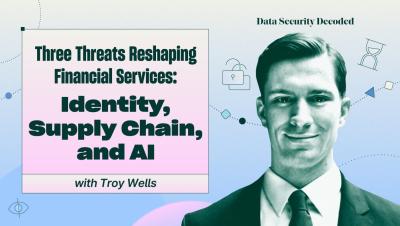
Cyber resilience in financial services is often treated as a checklist of tools and controls, rather than what it truly is: a system of people, intelligence, and collaboration working together.
The Criminal Justice Information Services Division (CJIS) within the FBI manages Criminal Justice Information (CJI). Considering the highly sensitive nature of law enforcement data, you have to implement federal security standards to safeguard CJI against increasingly complex cybersecurity threats. The CJIS Security Policy was introduced in 1992 as a framework to protect CJI through both strategic and tactical measures.
In the season finale, Craig and Yorick take a big whiff of the future. What is our world going to look like? Which future do you want? The sit down with thought leaders from Cloudflare, @IBM, Science Fiction author, and a 9 year-old vibe coder/comedian named Fay. The future is bright if you want it to be.
If you’re searching for the best crypto staking platform to deploy institutional capital, security and operational flexibility are non-negotiable. In this post, we’ll explain why Fireblocks is a compelling choice among crypto staking platforms, how its staking capabilities work in practice, and how it compares to alternative institutional solutions.
Modern checkout pages have evolved from static forms into dynamic ecosystems where dozens of third-party scripts run alongside first-party code. This complexity expands the attack surface and challenges traditional defenses designed for fixed perimeters. PCI DSS 6.4.3 was introduced to address that shift, emphasizing continuous oversight of browser-executed scripts and the integrity of client-side behavior.