How the Falcon Platform Delivers Fast, CISO-Ready Executive Reports

Most exposure reporting is still slow, error-prone, and disconnected from reality. Analysts spend hours collecting and formatting data using different tools that produce conflicting priorities. Reports are bloated with raw CVE lists that lack context and rarely connect to business impact. They are often delayed, arriving after the adversaries have moved. While teams struggle with outdated reports, adversaries are seeking new ways to gain initial access.


How Insurity and Reach Built a Living Zero Trust Model - with Jay Wilson & Garrett Hamilton

Would you rather run a network where everyone trusts everything, or one where nothing moves without being continuously verified? Most would agree that the most secure is ideal. The real question is: how do you get there, and by what means? And where is "there"? That’s the spectrum of Zero Trust maturity most organizations find themselves navigating—from implicit trust and flat networks to real-time validation and least-privilege access that adjusts as environments change.

How Subtle Flaws in Django's ORM Threaten Data Integrity and Demand a Security Shift

Robust web application development in Python: Django has long been a go-to for rapid, rich ORM, built-in security features, intuitive model definitions, and a mature ecosystem. It gives developers the confidence that many common web vulnerabilities are already handled if you follow the framework’s recommended patterns.

Shadows in the Shortcut: UNC6384's Silent Siege on European Diplomacy

In the autumn of 2025, well-crafted emails landed in inboxes with subject lines that read like routine diplomacy: invitations to regional workshops, follow-ups on border-facilitation talks, agendas for logistics and procurement. The attachments looked ordinary — a short, convenient file that promised to open a document or shortcut to a resource. But inside those tiny shortcuts lived a trap.

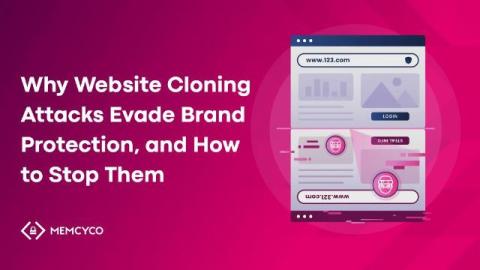
Why Website Cloning Attacks Evade Brand Protection (and How to Stop Them)

Website cloning attacks are a form of digital impersonation where threat actors replicate a company’s legitimate website to deceive users, harvest credentials, or redirect payments, often before enterprises even realize a clone exists. These attacks exploit brand trust at scale, turning familiarity into a weapon against customers.

Q&A: Debunking 3 Multifamily Security System Myths That Are Costing You Money

I talk to VPs of Building Technology every single day, and the common thread I hear is this: managing your “smart” portfolio feels way too hard. You’ve invested heavily—locks, cameras, thermostats—but the tech stack still feels like a mess of disconnected systems.

HIPAA Violation Penalties - Most Recent Updates

Think of your website as the front desk of your clinic. You wouldn’t let vendors set up recording equipment in your waiting room without contracts. But that’s precisely what happens when tracking pixels, session replay, and chat tools run on patient-facing pages without Business Associate Agreements.

15 HIPAA Violation Examples: Common Website Compliance Scenarios

Most HIPAA violations now involve websites and tracking technologies. Standard website tools like analytics, pixels, session replay, and chat create regulated data flows that many teams have never instrumented or reviewed. We’ve seen this play out in public: investigations and lawsuits involving Blue Shield of California and Novant Health showed how ordinary tracking technologies can expose Protected Health Information (PHI) at scale.