Yuba County Survived a Ransomware Attack and Lived to Tell the Tale

The growing threat of ransomware attacks is ubiquitous, which has been further accelerated by the pandemic. In February of 2021, Yuba County was hit by ransomware that infected critical systems. Despite the attacker’s demands for ransom, the county was able to avoid paying the hefty fee and quickly recovered with Rubrik. Listen in on the fireside chat with Paul LaValley, CIO of Yuba County as he shares intimate details of how they survived the attack and lived to tell the tale.

Secure Coding Practices to Prevent Vulnerabilities in SDLC

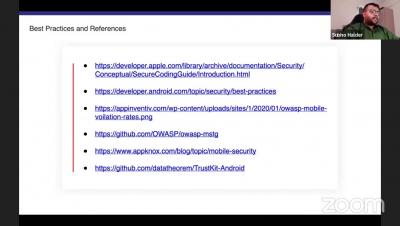
Unlocking the Secrets of building a secure app Under 60 Minutes Build a culture of Secure Programming in your engineering team . With the amount of (attempted) security breaches and high paced sprint cycles, securing your mobile applications from day 1 is a driving force to ship applications at speed.

Estée Lauder Uses Rubrik to Manage and Protect Global Data at Scale

Leading house of prestige beauty, Estée Lauder is a collection of over 25 globally renowned beauty brands, each with its own unique set of data and unique challenges. To protect all data at scale while keeping costs low, the beauty company embarked on a digital transformation journey – to break free from legacy data protection and mobilize to the cloud.

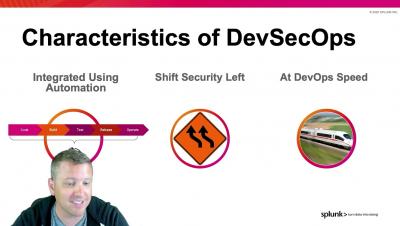
DevSecOps is a practice. Make it visible

Security should be embedded in DevOps by default, but for many organizations, it is not. Enter “DevSecOps”. What is DevSecOps? It is a practice to build more secure applications, secure the software factory, and secure cloud workloads. Because it is a practice it needs to be visible. In this session hear about the ways tech-enabled enterprises approach a DevSecOps practice, how they make it visible, and how Splunk + JFrog can accelerate your journey.

Splunk Named Market Share Leader in ITOM and SIEM Reports

2020 was a challenging year for modern enterprises. In under a year, we experienced a decade's worth of transformation while a global pandemic raged on. And while the worst of COVID-19 will hopefully soon be behind us, the need to continuously transform our digital environment is unequivocally here to stay. We've already seen an example of this, thanks to a significant increase in data generated from across the business.