EndaceProbe Release Changes the Game for Network Forensics
Latest software from Endace extends support for threat hunting and security incident response with easy file reconstruction, log generation and multi-tenant support.

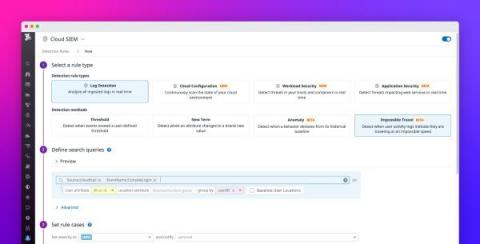
Many modern applications are regularly accessed by countless users from all over the world, which makes it difficult to identify anomalous patterns in login activity indicative of a security breach. This challenge is compounded by the fact that people travel often and regularly access their accounts from new locations. To detect this common attack vector, the Datadog Cloud SIEM now provides the impossible travel detection rule type which helps you spot suspicious logins with confidence.
The dreaded data ditch. You might not even know your organization is stuck in it – the company might still be acting on gut feel as opposed to relying on data, the data you have might be ungoverned and inaccurate, or you’re waiting weeks, even months, for your teams to glean useful insights. You’re not alone. Data leaders like yourself keep falling into the data ditch.
Developers take a lot of pride in their work. We strive to consistently deliver the best code and avoid dangerous edge-cases. Which is why we aim to detect and remediate bugs before they ship through testing and code reviews. However, when it comes to security, sometimes we fall flat. When a team lacks the proper security tooling, it can stunt development, create extra work, and deliver dangerous security defects to clients and end-users.
The PCI certification process is quite comprehensive and relates to infrastructure, software and employee access to systems, in particular to datasets and the way that they are accessed. These checks are critical not only to the wider payments industry but also to create a level of trust with users knowing their data is protected. The PCI compliance process is a number of checks, usually by an accredited third party, to ensure that secure data handling processes are in place.