Why client-side web application security is critical to protecting from Magecart and other similar attacks

What can’t you buy on the internet? Last-minute birthday gifts. Check. A new refrigerator. Check. An engagement ring. Check. Groceries. Check. Travel to foreign lands. Check. Internet-driven consumerism is a critical component of our economy. But it has its dark side filled with demons.


What Are the Benefits of Adopting the Cloud in Industrial Cybersecurity?

Cloud adoption has come a long way from its early days where corporate executives questioned the stewardship of their data. The initial suspicions of “where’s my data” have been laid to rest, as administrative tools and contractual obligations have emerged to give better visibility to, and accountability of, data custodianship. Even the capabilities of technology professionals have been enhanced to include full certification paths towards demonstrating cloud proficiency.

JFrog Discloses 5 Memory Corruption Vulnerabilities in PJSIP - A Popular Multimedia Library

JFrog’s Security Research team is constantly looking for new and previously unknown security vulnerabilities in popular open-source projects to help improve their security posture. As part of this effort, we recently discovered 5 security vulnerabilities in PJSIP, a widely used open-source multimedia communication library developed by Teluu. By triggering these newly discovered vulnerabilities, an attacker can cause arbitrary code execution in the application that uses the PJSIP library.

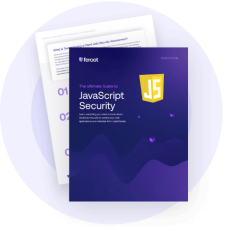
The Ultimate Guide to JavaScript Security

Learn how to protect your JavaScript web applications and customer data from cyberthreats. Discover how to secure your webpages and web applications so that your business can thrive. The guide highlights the fundamental risks associated with using JavaScript in an unprotected client-side environment and what web application developers and security professionals can do to better protect their websites and website users.