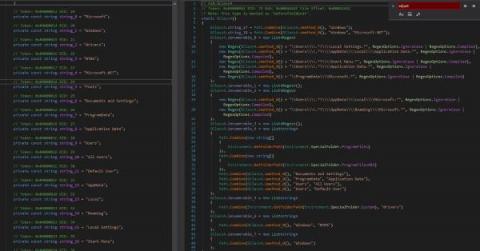
The Splunk Threat Research Team is actively monitoring the emergence of new threats in the cyber domain of ongoing geopolitical events. As we have shown previously in several releases, including HermeticWiper and CaddyWiper, actors in this campaign are deploying, updating, and modifying stealthier malicious payloads. On March 17th, 2022, the Ukraine CERT discovered a new malicious payload named DoubleZero Destructor (CERT-UA #4243).
Nowadays, building a zero-trust network has become a standard protocol in the era of evolving business models, multiple workforce platforms, cloud adoption, and increased device connectivity. But, if a business continues to work with at-risk organizations, the zero-trust policy crumbles. Working with well-secured third parties that uphold a zero-trust strategy is crucial for optimal cybersecurity within any business.
This is the third post in the Threat-Based Methodology blog series. In the first post, we introduced Threat Based Methodology and the analysis conducted by the FedRAMP PMO and NIST. In that post, we ended by listing the top seven controls based on their Protection Value. The second post explored configuration settings in greater depth and explained how Devo supports the ability to meet the CM-6 control.