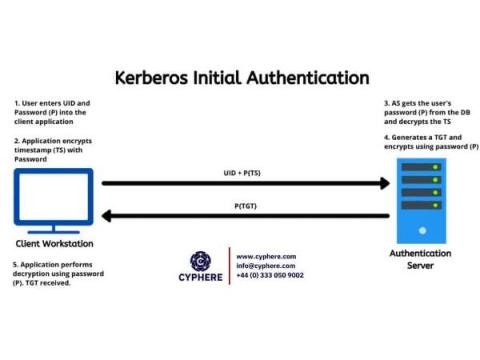
Kerberos Authentication: Basics to Kerberos attacks

Developed by MIT, Kerberos Authentication Protocol is the default authentication service for Microsoft Active Directory. It is named after the three-headed dog (Cerberus) found in Greek mythology, because the security protocol involves three major steps in the entire authentication process. Although Kerberos is a technology used by Microsoft Windows, by default, its implementations in other operating systems, such as Linux, FreeBSD and macOS, are also present.

CVE-2022-25845 - Analyzing the Fastjson "Auto Type Bypass" RCE vulnerability

A few weeks ago, a new version for Fastjson was released (1.2.83) which contains a fix for a security vulnerability that allegedly allows an attacker to execute code on a remote machine. According to several publications, this vulnerability allows an attacker to bypass the “AutoTypeCheck” mechanism in Fastjson and achieve remote code execution. This Fastjson vulnerability only recently received a CVE identifier – CVE-2022-25845, and a high CVSS – 8.1.

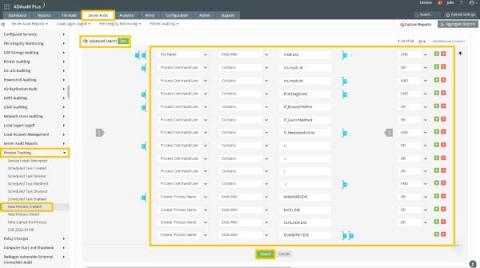
How ADAudit Plus helps you assess your exposure to Follina (CVE-2022-30190)

The recently discovered Windows zero-day vulnerability continues to make news as threat actors across the globe are relentless in their efforts to exploit it. The vulnerability, dubbed Follina, can be exploited when the Microsoft Support Diagnostic Tool (MSDT) is called by a Microsoft Office application using the URL protocol.

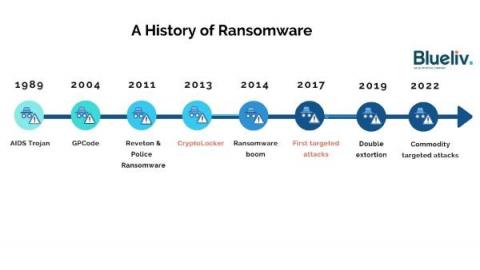
A History of Ransomware

Ransomware is the biggest cyber threat to businesses. First burst onto the scene in 1989, it has evolved significantly over the past few years from widespread attacks to highly targeted ransomware-as-a-service (RaaS) operations affecting organizations of all sizes and sectors. This article takes a look at the evolution of the ransomware ecosystem – what it looks like today, and how it has changed over time.

Flow Use Case: Automate Continuous Firewall Traffic Monitoring

This Flow allows you to monitor all the traffic from your firewall by correlating it against a table that contains malicious IP addresses. If there is a match, Flow will generate an enriched event that will be logged in a designated my.app table. From this new table, you can take further action by creating detection rules to identify threats that put your organization at risk. Table of Contents.

Phishing Awareness 101: How to Email Test Your Employees

Phishing is a constant threat to data and endpoint security. Cybercriminals use phishing attacks to break into accounts, steal company funds, and compromise sensitive data. In this article I will introduce you to the dangers of phishing and guide you through the process of running your very own phishing simulation using BrowseReporter, CurrentWare’s employee computer monitoring software. Table of Contents.

5 Steps to Unsticking a Stuck Network Segmentation Project

Digital transformation has ushered in interconnected networks that enable information sharing and collaboration. That’s great for efficiency and productivity, but many networks are flat, leaving organizations susceptible to cyberthreats that can move laterally, even across distributed environments, enabling hackers to exploit openings and pivot into their most valuable data.

Is Cyber Insurance Enough to Protect You?

Your cyber insurance won't protect you from ransomware. Here's why: It doesn't make your company resilient in and of itself. Think of it like regular house insurance: Just because you have insurance, it doesn't mean you shouldn't get a smoke alarm in your house and get contractors to check for gas leaks. Here are 2 recommendations to be prepared for a ransomware attack.

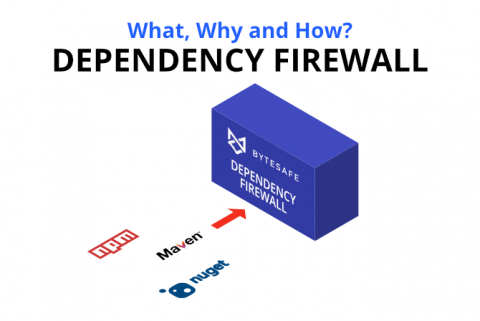
What is a Dependency Firewall? What, Why and How?

In recent years more open source vulnerabilities have been discovered than ever before. This is all part of the natural evolution; it’s what we expect to see as the amount of open source usage grows within organizations. But there’s something that we missed in this equation: while identifying vulnerabilities, organizations haven’t found a way to block unwanted dependencies, which made them vulnerable to attacks like never before.