A practical approach to Active Directory Domain Services, Part 7: Cybersecurity and AD

In the first six parts of this blog series, we laid the foundation for beginning to work with and manage Active Directory (AD). With the groundwork out of the way, it is now time to explore the relationship between cybersecurity and AD. Taking this series one step further, this blog provides an overview of which design considerations are important in securing your AD infrastructure against potential security breaches.
How your Digital Onboarding process can benefit from AI-based Liveness Detection?

The National Crime Record Bureau (NCRB), in its report, recorded 50,035 cybercrime cases in 2020, and it is alarming to see that the numbers have surged exponentially ever since the pandemic. This opened the gates to remote onboarding and the use of facial recognition algorithms to distinguish users’ unique features, enhancing their onboarding experience. On the flip side, this has also given scamsters and fraudsters ample opportunities to manipulate and employ technologies for wrongful gains.

What is Two-Factor Authentication (2FA)? And How it Works

Two-factor authentication (2FA) is a type of multi-factor authentication (MFA) used to verify users’ identities and provide an additional layer of account security. Users must enter two factors before they are allowed access to their online accounts to ensure they are who they claim to be. 2FA offers a greater level of security than single-factor authentication (SFA), which only relies on one factor, such as a password or passcode.

A Guide to CIS Control 8: Audit Log Management

CIS Control 8 Center for Internet Security (CIS) version 8 covers audit log management. (In version 7, this topic was covered by Control 6.) This security control details important safeguards for establishing and maintaining audit logs, including their collection, storage, time synchronization, retention and review. Two types of logs are independently configured during system implementation.

Will Cybersecurity Jobs Be Automated?

The answer is yes and no. While cybersecurity automation is necessary in today’s vast threat landscape, its current functionality will not replace the role of cybersecurity professionals. The use of cybersecurity automation is undoubtedly on the rise. A 2021 global Statista survey found that 35.9% of global survey respondents reported using a high level of automation in security operations and event/alert processing.

A Guide to CIS Control 10: Malware Defenses

Control 10 of CIS Critical Security Controls version 8 is focused on malware defenses. It describes safeguards to prevent or control the installation, spread and execution of malicious applications, code and scripts on enterprise assets. (In CIS version 7, this topic was covered by Control 8.) Malware, especially ransomware, has become a pressing security issue in recent years.

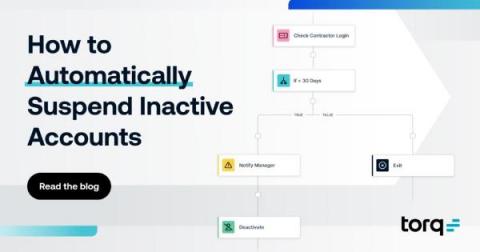
How to Automatically Suspend Inactive Accounts Using Torq

Contractors, freelancers, and other temporary workers have become essential parts of the modern enterprise. For IT and security teams, these individuals present unique challenges compared to full-time workers—and potential risks. The ‘offboarding’ process for these contractors is often less formal than bringing them on. Meaning, many just stop using their entitlements and accounts without actually closing them. These dormant accounts can pose serious risks to the organization.

API security: 12 essential best practices to keep your data & APIs safe

If you don’t think API security is that important, think again. Last year, 91% of organizations had an API security incident. The proliferation of SOAP and REST APIs makes it easy for organizations to tailor their application ecosystems. But, APIs also hold the keys to all of a company’s data. And as data-centric projects become more in demand, it increases the likelihood of a target API attack campaign.