How to protect an account that has been hijacked before you register it

Account takeover fraud is not new but it is growing fast. By 2018, account takeover fraud accounted for losses of around $4 billion. In 2021, this figure increased by more than 200%, and as of today, it is estimated to exceed $12 billion. A recent paper published by Microsoft has revealed a new and disturbing way of compromising accounts where hackers hijack accounts before users register them. For instance, they create an account in Zoom or Dropbox using the user's credentials.
How to Use Cyber Risk Quantification for Vendor Risk Management

The purpose of vendor risk management is to strike a delicate balance between facilitating the needs of the business by integrating new vendors and ensuring that those same business partners don’t exceed the organization’s risk appetite. Maintaining a healthy balance between those two interests requires leaders to always consider broader business goals when executing VRM strategies.

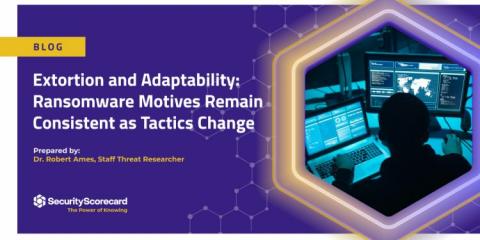
Extortion and Adaptability: Ransomware Motives Remain Consistent as Tactics Change

Ransomware has traditionally revolved around the encryption of victims’ files. But even if encryption remains ransomware groups’ most common approach, it isn’t really their priority–extortion is. Financially-motivated cybercriminals care more about extracting payment from their victims than they do about the particular methods used to achieve that goal.

Cyber Risk Retainers: Not Another Insurance Policy

The costs associated with a cyberattack can be significant, especially if a company does not have an Incident Response plan that addresses risk. The one-two punch of a cyberattack can be devastating. There is the breach and then the related mitigation costs. Implementing a comprehensive Incident Response (IR) game plan into a worst-case-scenario should not be a post-breach scramble. And when that IR strategy includes insurance, it also must address a business’s level of cyber risk.

How to Mitigate Risks When Your Data is Scattered Across Clouds

Cloud applications have opened up limitless opportunities for most organizations. They make it easier for people to collaborate and stay productive, and require a lot less maintenance to deploy, which means they’re much more affordable and easy to scale to your needs. But for all of their benefits, cloud apps also open up your organization to a host of new risks. By enabling users anywhere access to corporate resources you lose the visibility and control that perimeter-based tools provide.

How Your Healthcare Organization Can Achieve Cloud Cybersecurity and Compliance

Healthcare leaders are embracing cloud technologies to connect information across the continuum of care, engage more patients, and unlock the potential of health data. While the cloud streamlines healthcare operations, it also presents challenges for organizations that must meet the stringent data security requirements of HIPAA and other security standards.

SOX Compliance Audit Preparation And Checklist

SOX Compliance can be quite overwhelming for those looking to achieve compliance. Organizations need to prepare well for the audit in order to ensure they meet all the requirements and achieve compliance. So, here is an opportunity for organizations like you to learn about the critical aspects of SOX Audit and ensure a hassle-free SOX Compliance Journey.

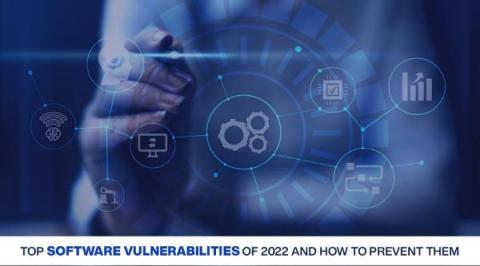
Top Software Vulnerabilities of 2022 and How to Prevent Them

Did you know that malware attacks on software have increased by 11% to reach 2.8 billion in 2022? This is a staggering rise in security attacks and a huge point of concern for the industry. For many companies, the security of their software systems becomes a priority only after they experience a breach. But it doesn’t have to be that way. If you want to keep your systems secure and provide users with a safe environment, you need to be conscious of security flaws.