Meeting the SOC 2 Third-Party Requirements

Organizations trust third-party vendors to manage large volumes of sensitive customer data, with outsourcing increasing across all industries, including the highly-regulated healthcare sector and financial services. However, service providers don’t necessarily implement the same strict data security standards that these organizations do. Cyber attacks targeting third parties are increasing, according to Gartner.

Ruthlessly Prioritize

SecurityScorecard Co-Founder and Chief Operating Officer Sam Kassoumeh shares Tip #4 from our ebook, 5 Ways to Secure Your Organization in Turbulent Times: Ruthlessly prioritize to keep your organization secure. Teams are drowning in too much information, all of which appears on the surface to be “blinking red.” To calm the noise and allow security professionals to quickly focus on areas that make the biggest impact securing the enterprise, learn how to quickly highlight the most meaningful, critical threats.#TakeControlWithSSC

How Colleges & Universities Can Detect Data Leaks

‍Data leaks happen when sensitive data or personally identifiable information (PII) is accidentally exposed on the internet or dark web. Typically, data leaks only occur due to poor cyber hygiene, weak network security, or software misconfiguration that can lead to unintended data exposure. Without proper data leak detection processes, cybercriminals and hackers can exploit the exposed data without the organization’s knowledge using open-source intelligence (OSINT).

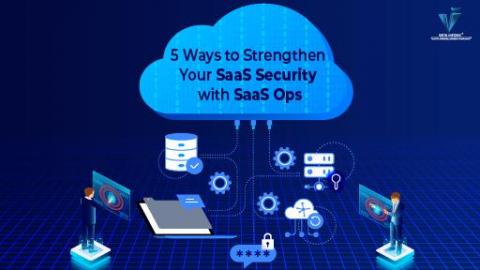
Strengthen Your SaaS Security with SaaS Ops

Many organizations have multi-cloud setups, with the average corporation employing services from at least five cloud providers. Compatibility problems, contract breaches, non-secured APIs, and misconfigurations are among the security hazards cloud computing brings, which is popular. SaaS configurations are an attractive target for cybercriminals because they store a large amount of sensitive data, such as payment card details and personal information.

CrowdStrike | Protecting and powering your business

Today’s cybersecurity threats are more sophisticated than ever. At CrowdStrike, we’re constantly evolving the ways we power your business and protect against breaches, before they happen. Monitoring trillions of events daily, our cloud-native technology and unified platform approach has made us an industry leader.

Why is Cyber Vendor Risk Management (Cyber VRM) Important?

‍Cyber vendor risk management (Cyber VRM) is the practice of identifying, assessing, and remediating cybersecurity risks specifically related to third-party vendors. By leveraging data from data leak detection, security ratings, and security questionnaires, organizations can better understand their third-party vendor’s security posture using Cyber VRM solutions.

Business-Led Development- an Extension of the Public Cloud

To understand this headline better we need to have a better understanding of the traditional ways we think about Software-as-a-Service (SaaS) platforms and public cloud platforms. The difference lies in the starting point of these two solutions, while SaaS started as an extension of the corporate network, the public cloud started as an extension of the data center.