What are SIM swap attacks, and how can you prevent them?
SIM swapping, also known as SIM jacking, is a technique used by attackers to gain access to a person’s phone number and, ultimately, their two-factor authentication (2FA) codes.

SIM swapping, also known as SIM jacking, is a technique used by attackers to gain access to a person’s phone number and, ultimately, their two-factor authentication (2FA) codes.
Last week Netskope was awarded the “Cloud Services Vendor Of The Year” trophy at the UK’s CRN Awards. It is the second award we have won for our efforts in the UK channel this year – earlier in the summer we took home CRN’s “Technology Innovation” gong as well.
An IDSA study found that 79% of enterprises have suffered an identity-related breach. At ManageEngine, we understand how important identities are to the overall security posture of an organization. That’s why this Identity Security Week, we’re offering a series of blogs to spread awareness about the importance of identity security and what simple measures can help improve the security of your organization. Let’s kick off the series with a trending topic—remote work.
If it seems like you’re constantly hearing about cybercrime these days, there’s a reason for that. Globally, reports of cyberattack instances increased by a staggering 125% in 2021, a trend that shows no sign of slowing. As businesses and consumers turn their attention to cybercrime and protective measures, enterprising cybercriminals continue to fine-tune their approach to exploiting vulnerabilities. In fact, cybercrime is on track to become the world’s third-largest economy.
Do you know what “fangxiao” means in simplified Chinese? Before you Google it, let me tell you that it stands for “imitate” and this is exactly what Fangxiao phishing campaign actors try to do – imitate and exploit the reputation of international, trusted brands by promising financial or physical incentives to trick victims into further spreading the campaign through WhatsApp.
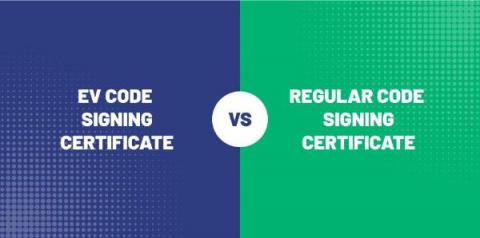
Digital security certificates such as code signing are a key ally of developers. They act as proof that your executables or applications are secure and haven’t been modified after signing. It makes your users feel secure and comfortable when installing and using your digital products. Obtained from a reputed Certificate Authority like Sectigo and Comodo, these certificates come in two variants: EV code signing certificate and regular code signing certificate.