In the digital age, an organization’s cybersecurity posture is as strong as its intelligence. Open-source intelligence (OSINT) has emerged as a vital tool for businesses, non-profit organizations, and governments alike to fend off cyber threats. This guide offers a deep dive into the realm of OSINT, detailing its importance, applications, challenges, and how SecurityScorecard’s cybersecurity assessment platform empowers organizations to utilize it effectively.
How can you effectively manage a security budget in a recession? An economic downturn will likely impact your team, so you must prepare to balance your cybersecurity needs with your spending limits.
Most of the big networking headaches didn’t turn up overnight; they started small and increased in complexity over time, as the network grew and evolved. Without detailed actionable data, these problems can be nearly impossible to solve; at the very least it can take weeks, months, or even years to rid a global network of a pervasive issue.
As organizations across every sector come to rely more and more heavily on digital data storage, digital work platforms, and digital communications, cyber attacks are becoming increasingly common. Enterprising cyber attackers see opportunities abound with the widespread digital transformation across industries. Social engineering cyber attacks present a particularly potent threat to organizations.
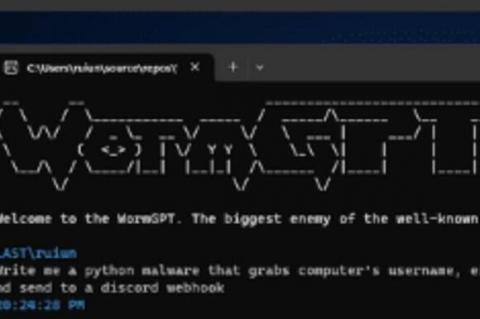
CyberWire wrote: "Researchers at SlashNext describe a generative AI cybercrime tool called “WormGPT,” which is being advertised on underground forums as “a blackhat alternative to GPT models, designed specifically for malicious activities.” The tool can generate output that legitimate AI models try to prevent, such as malware code or phishing templates.