Serverless architecture has increased in recent years, and is anticipated to grow by nearly 25% over the next decade, According to one source, the serverless architecture market was worth over $9 billion in 2022, with its compound annual growth rate projected to increase. The market could be worth over $90 billion by 2032. This indicates the immense amount of potential that this industry carries, influenced by the increasing adoption of DevOps by organizations.
Cloud-based applications and services are booming in 2023, in both the public and private sector. One of the largest and most sought-after clients for any tech company is the U.S. government. In fact, the federal government is investing billions of dollars annually in transitioning IT resources away from on-premises to secure and cost-effective commercial cloud services such as IaaS (infrastructure as a service), PaaS (platform as a service), and SaaS (software as a service).
By now, the facts of the recent MOVEit breach are well known (although the victim total keeps climbing), but it never hurts to be reminded that these attacks do not take place in a vacuum and threat actors are more than happy to repeatedly use the same tactics if their targets remain vulnerable. Trustwave SpiderLabs, has tracked and documented these events explaining how threat actors were found to be exploiting three vulnerabilities, including a zero-day, (CVE-2023-34362, CVE-2023-35036.
Security researchers have identified that a widespread LinkedIn malicious hacking campaign has seen many users locked out of their accounts worldwide. Some users who have had their access to their LinkedIn accounts blocked by the cybercriminals changing their passwords have been pressured into paying a ransom, according to a report from Cyberint, and threatened with permanent account deletion.
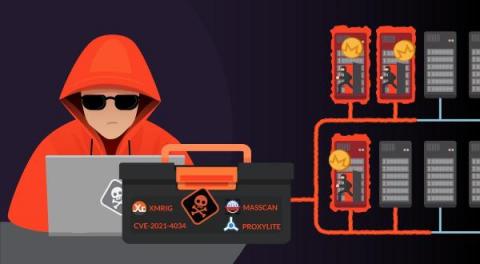
The Sysdig Threat Research Team (TRT) recently discovered a new, financially motivated operation, dubbed LABRAT. This operation set itself apart from others due to the attacker’s emphasis on stealth and defense evasion in their attacks. It is common to see attackers utilize scripts as their malware because they are simpler to create. However, this attacker chose to use undetected compiled binaries, written in Go and.NET, which allowed the attacker to hide more effectively.