What is an API Gateway? - Definition, Benefits and Limitations

An API Gateway is a mediator between the client and the collection of backend services. It accepts all API calls and routes them to one or more appropriate backend services. It doesn’t stop there; it aggregates appropriate data/ resources and delivers it to the user in a unified manner. Placed in front of the API/ group of microservices, the API gateway is the single-entry point for all API calls made to and executed by the app.


Texas Medical Center Leaks Patient Information Following Data Breach

In South Texas, United Medical Centers (UMC) offer reliable, high-quality healthcare services. They host nine locations in the region, servicing patients from the surrounding communities; their services include options for family planning, WIC, and a broad selection of care to assist chronic illnesses. The clinics provide care to more than 34,184 patients in the area, where many use public insurance to receive services.

CVE-2023-46604: Critical RCE Vulnerability in Apache ActiveMQ

On October 27, 2023, Apache published a security advisory addressing that a critical remote code execution (RCE) vulnerability has been fixed in the latest updates for Apache ActiveMQ products, CVE-2023-46604. This vulnerability was rated with a maximum Common Vulnerability Scoring System (CVSS) score of 10.0, as it can be exploited remotely by an unauthenticated threat actor in low complexity attacks.

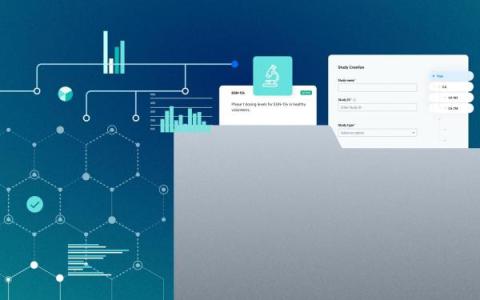
Adhere to Firmer Study Archival Requirements with Egnyte's eTMF

Fines and penalties for regulatory noncompliance within biopharma have been well documented. Since 2000, violations for noncompliance have cost biopharma $50B—and the costs of addressing root causes of noncompliance have grown as well, climbing by more than 40% since 2011 according to some estimates. The costs of remediating a deficiency can vary considerably, from as little as $250K to $5M for a Form 483 cited deficiency.

Network Monitor, LiveAction, Announces Ransomware Incident

LiveAction Incorporated is a software company specializing in analytics, network monitoring, and application management tools. They’ve reported a revenue of over $5 million and provide services to companies in various industries; technical manufacturers, hospitals, biotechnology, and transportation professionals all use LiveAction services. Earlier this year, LiveAction suffered a ransomware attack where hackers took significant consumer information.

ZTNAs Address Requirements VPNs Cannot. Here's Why.

‍ When organizations were forced to shift to remote work during the pandemic, they needed a quick-fix solution that would enable their remote employees to securely access work resources. For many, this solution came in the form of VPNs. However, VPNs were not designed for the bring your own device (BYOD) and cloud app security use cases. While VPNs can provide remote access, it may come as a surprise that they fall short when it comes to security.

Exploitation of CVE-2023-46604 in Apache ActiveMQ Leads to TellYouThePass Ransomware

This article aims to share timely and relevant information about a rapidly developing campaign under investigation. We are publishing it as early as possible for the benefit of the cybersecurity community, and we may provide updates in the near future once more details become available in our research.

National Behavioral Health Clinic Suffers Ransomware

Deer Oaks Behavioral Health is a national provider of mental health based in San Antonio, Texas. They offer the nation long-term care focused on psychiatry and psychology. Deer Oaks hosts more than 1,500 facilities nationwide. Their services include medication and medical treatment planning while spearheading new techniques for rural tele-behavioral health.

Why White Label Cloud Services are Important to MSP's

What Are White Label Cloud Services? White-label cloud services are cloud solutions that are provided by a third-party vendor but can be rebranded and customized to fit the branding and requirements of the MSP or their clients. Essentially, white-label cloud services allow MSPs to offer cloud-based solutions under their own brand, enabling them to maintain consistency in their service offerings and provide a more cohesive experience to their clients.