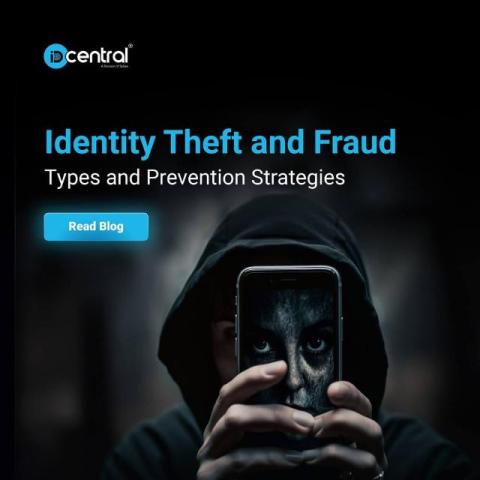
Identity Theft and Fraud: Types and Prevention Strategies

In 2023, identity theft and fraud reached significant levels, with various reports highlighting the extensive impact on consumers and businesses. The Federal Trade Commission (FTC) reported that consumers lost more than $10 billion to fraud, marking a 14% increase from the previous year. Identity theft remained a pervasive issue, with nearly 560,000 cases reported in the first half of 2023 alone.

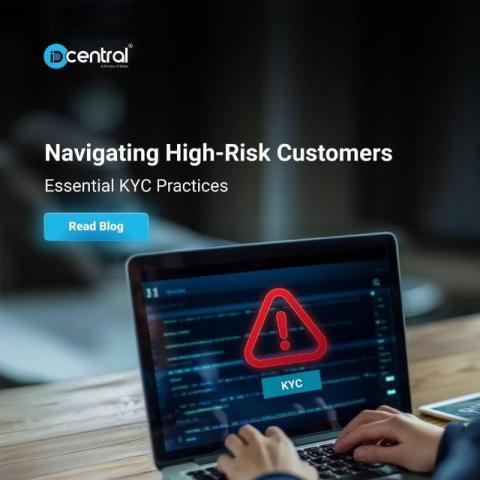
Navigating High-Risk Customers: Essential KYC Practices

Increasing your online customer base might seem beneficial, but is it always advantageous for your business? Our guide aims to help you identify and understand customers who might pose long-term challenges, commonly referred to as high-risk customers. Financial institutions, such as banks, must adhere to regulations that require thorough customer screening to prevent fraud and money laundering.

Key Strategies for Preventing Downtime: The Role of Electrical Failure Analysis in Manufacturing

Have you ever wondered what goes on behind the scenes in the manufacturing industry when it comes to preventing costly downtime? In a world where efficiency is key, manufacturers are constantly striving to optimize their operations and minimize disruptions. One crucial aspect of this is electrical failure analysis, a process that delves deep into the root causes of electrical issues to identify and implement effective preventive measures.

Boost Your Site: Advanced WordPress Development Techniques

From that simple blogging tool to the advanced Content Management System running millions of websites today, WordPress has come a long way. The more popular it becomes, the greater the demand is for advanced development techniques that will set you apart amidst all the clutter in the digital landscape. We'll explore cutting-edge strategies that help take your WordPress site to the next level.

Why outdated access control is putting your data at risk

Imagine this: you wake up to a notification – your company has suffered a data breach. Fear sets in as you think about what this means: customer data exposed, your company’s reputation damaged, and big fines on the horizon. In today’s digital landscape, this scenario is too common. Organizations worldwide face penalties for non-compliance with regulations, such as fines of up to $50,000 per incident for violating HIPAA.

What Drives an SME's Approach to Implementing AI?

AI’s rise in both the business and consumer worlds has been astonishingly exponential. Businesses are using AI to generate content, analyze data, automate processes, and more. But small and medium-sized enterprises (SMEs) look and act very differently from their enterprise counterparts. This prompts the question: How are SMEs approaching AI? Recent data from a 2024 JumpCloud study of SME IT may help answer it.

PIPEDA Compliance Guide

The Personal Information Protection and Electronic Documents Act (PIPEDA) is a Canadian data privacy law that governs how private sector organizations collect, use, and disclose personal information when conducting commercial activities. By setting strict requirements for private businesses, PIPEDA ensures that individuals and customers have control over how their data is managed.