The State of Security in 2024: The Fortra Experts Take a Look

At Fortra, we like to encourage a collaborative environment. One of the ways we bring our community together is through our Transformer meetups which aim to provide a positive, energizing, and fun hub for all Fortra employees to learn how to be innovative, get inspired by others, and reach their creative potential. Our most recent meetup was moderated by myself and our panelists were Tyler Reguly, John Wilson, Bob Erdman, and Nathan Ramaker.

Grinch Bots strike again: defending your holidays from cyber threats

Back in 2021, we covered the antics of Grinch Bots and how the combination of proposed regulation and technology could prevent these malicious programs from stealing holiday cheer. Fast-forward to 2024 — the Stop Grinch Bots Act of 2021 has not passed, and bots are more active and powerful than ever, leaving businesses to fend off increasingly sophisticated attacks on their own.

4 Security Controls Keeping Up with the Evolution of IT Environments

The rapid adoption of cloud technology in the past few years has transformed IT environments, enabling unprecedented opportunities for flexibility, scalability, and collaboration. However, this transformation has introduced a potentially dangerous level of complexity into these environments – recent research from PwC revealed that 75% of executives report too much complexity in their organizations, leading to ‘concerning’ cyber and privacy risks.

"Get Beyond Security Awareness Training" Does Not Mean Forgetting About It

KnowBe4 is a big believer in focusing on decreasing human risk as the best way to decrease cybersecurity risk in most environments. A big part of decreasing human risk is using effective security awareness training (SAT). You do not want to just focus on SAT, but SAT is a big part of decreasing human risk. To be sure, your human risk management projects need to be broadly focused on more than SAT. We agree.

Efficient Endpoint Management for Better Security

Endpoint management is a key part of keeping businesses safe from cyber dangers that are getting worse. Every device on your network, from computers to smartphones, is an endpoint. This means that hackers have a lot more places they can attack. Endpoint control that works well is not only a strategic must, but also a key part of strong cybersecurity.

Russia's APT29 Launches Major Spear Phishing Campaign

Trend Micro warns that the Russian state-sponsored threat actor Earth Koshchei (also known as “APT29” or “Cozy Bear”) is using spear phishing emails to trick victims into connecting to rogue Remote Desktop Protocol (RDP) relays. “Earth Koshchei’s rogue RDP campaign reached its peak on October 22, when spear-phishing emails were sent to governments and armed forces, think tanks, academic researchers, and Ukrainian targets,” Trend Micro explains.

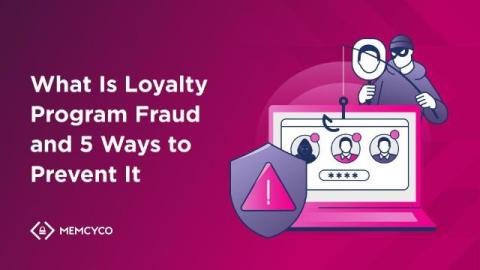
What Is Loyalty Program Fraud and 5 Ways to Prevent It

Loyalty programs are so ubiquitous today that most of us would be hard-pressed to count how many we’ve signed up for. Earning a complimentary service or item is always a friendly reminder that you are valued as a client. However, that warm feeling could quickly change when you find that not only was the freebie already redeemed by someone else, but all your account details have been compromised. At that point, you will likely not have any warm feelings left towards that brand.

Top 8 Ways To Align Business Value With IT Outcomes Using Cato SASE Cloud

In today’s rapidly evolving digital landscape, IT leaders are under constant pressure to deliver outcomes that align directly with business value. Gone are the days when technology decisions were made in isolation. Today, every IT investment must contribute to operational efficiency, cost savings, security, and scalability—all while empowering the business to innovate and grow.

Closing the IT Skills Gap: How SASE Empowers and Retains Top Talent

In today’s competitive job market, employees are increasingly seeking a sense of purpose and belonging in their work environments. As McKinsey reports, purpose has become a pivotal factor in employee retention. IT leaders who fail to connect their teams’ day-to-day tasks to a broader mission risk losing top talent to organizations that do.