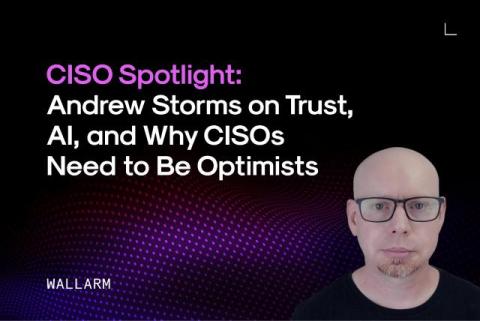
CISO Spotlight: Andrew Storms on Trust, AI, and Why CISOs Need to Be Optimists

Andrew Storms, VP of Security at Replicated, has spent three decades on the frontlines of cybersecurity. From building Unix systems in the early ‘90s to leading incident response and AI security strategies today, he has seen the CISO role evolve from back-office function to boardroom mainstay. In this spotlight, he shares the lessons that shaped his thinking, why storytelling is a critical CISO skill, and how API security is no longer optional.


Who Owns CMMC Evidence Collection in a Small Business?

The Cybersecurity Maturity Model Certification, CMMC, is a critical part of ensuring robust and equal information security from top to bottom throughout the Department of Defense’s supply chain. A common misconception about CMMC, stemming from previous pre-CMMC security, is that it primarily applies to prime contractors and big businesses.

AI-Generated Summaries Mistakenly Suggest Phishing Sites

Researchers at Netcraft warn that AI-generated search engine summaries are suggesting phishing sites when users ask them to find legitimate login pages. The researchers tested popular AI models, asking them for the login pages of fifty major brands, and found that the models provided the wrong sites 34% of the time. "In many cases, users see AI-generated content before (or instead of) traditional search results—and often without even needing to log in," the researchers explain.

Beyond The Click: Unveiling Fake CAPTCHA Campaigns

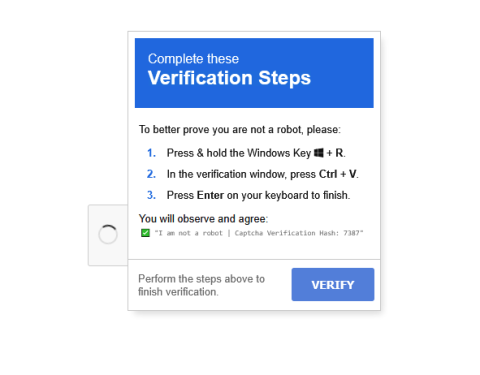
Social engineering attacks continue to be among the most effective methods for delivering malware and compromising systems. Among these, a concerning trend has emerged and rapidly gained traction: "ClickFix" and "FakeCAPTCHA" campaigns. These sophisticated attacks exploit users' familiarity with everyday verification systems while leveraging clipboard manipulation techniques to deliver malicious payloads—all without exploiting a single technical vulnerability.

Breaking Free from Legacy DLP - A Fireside Chat with Zebra Technologies

In this candid fireside chat, we’ll explore why legacy DLP is no longer fit for purpose and what a modern, behavior-aware approach looks like. Join us as we unpack the technical and cultural debt holding security teams back, how new paradigms like contextual visibility and real-time decisioning are enabling faster, more effective responses. Matt Webb, Sr. Manager of Information Security at Zebra Technologies, shares his first-hand experience of making the switch to modern DLP with Cyberhaven.

DORA and NIS 2: Regulatory Compliance as a Competitive Advantage for MSPs

The evolution and growing impact of cyberthreats are increasingly impacting the economic and social fabric. From attacks on business infrastructures to political disinformation campaigns and ransomware targeting critical environments such as hospitals or transportation networks, the impact is no longer just technical; it’s systemic.

DevSecOps Done Right: CI/CD Pipeline Security for Mobile Apps

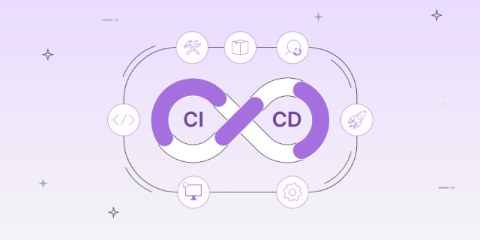
Modern software delivery depends on speed, scale, and automation. CI/CD pipelines sit at the center of it all. An efficient CI/CD pipeline empowers your teams to develop features faster, respond to market demands quickly, and stay competitive in a crowded market landscape. But with that speed comes risk. What makes CI/CD pipeline security so critical is the level of access these systems have. They interact with your source code, cloud infrastructure, and deployment environments with elevated permissions.

Everything You Need to Know About Magecart and Other Skimming Attacks

By now, you’ve likely heard about Magecart attacks — or maybe even experienced one firsthand. Over the last few years, digital skimming has become a go-to tactic for cybercriminals targeting websites and web applications. Major organizations like Macy’s, Ticketmaster, the American Cancer Society, P&G’s First Aid Beauty, British Airways, and Newegg have all made headlines due to these breaches. But most victims don’t make the news.

What you need to know about the Esse Health Data Breach

Established in 1996, Esse Health was the product of a merger of two physician-led institutions. It soon emerged as a leading independent physician group in the larger St. Louis area, operating in more than 50 locations. Esse Health has 100 doctors specializing in primary and specialty care. Unlike other corporate healthcare systems, Esse Health maintains a physician-owned and managed system. It prioritizes a collaborative approach where patients and doctors partner to make care-based decisions.