Security | Threat Detection | Cyberattacks | DevSecOps | Compliance

What Are Attack Surfaces and How to Protect Them

Attack surfaces are the different endpoints, subsidiaries, business units, and devices that a hacker could go after. For example: We have a client who had a Japanese subsidiary that spun up a server for QA testing. They used it for a couple of years and then forgot about it and stopped maintaining it. But the server was still there. And the attackers found it and tried to use it to break into the client’s infrastructure.

#BigPictureCyber Town Hall With Glenn Gerstell, Senior Adviser to CSIS | 3/16/22 | NeoSystems

NeoSystems #BigPictureCyber Town Hall Series: Join NeoSystems’ Chief Information Security Officer, Ed Bassett, for our weekly #BigPictureCyber Town Hall designed for the Defense Industrial Base and GovCon community. Each session features special guests and offers an opportunity for attendees to ask questions regarding CMMC and cybersecurity. Topics covered include CMMC compliance requirements, cybersecurity news, how to prepare for CMMC certification, and the latest updates from the CMMC AB.

Create a Record

In this video, I will walk you through the creation of your first record. To begin, click the yellow Create New button and choose Record. You will notice a dropdown menu allows you to select the type of record you are creating. This allows users to create records of various template types, grouped into categories, each containing a unique collection of field types and functionality within the record. Examples of record types include: logins, payment cards, bank accounts, health insurance and many more. For more information on the Record Types feature, please see the video i’ve linked in the description below.

This Is the Reason Behind 70% Of Data Breaches

70% of the data breaches involve the negligence of a 3rd party. Let’s understand this with Target’s classic example. In 2013, they were using a contractor, Fazio, to do maintenance of their air conditioning systems. The hackers got into the Fazio systems and used it as a jumping pod to infiltrate and hack into Target’s infrastructure. Big companies like Audi and Volkswagen have also suffered such cyberattacks due to 3rd party negligence.

Identifying and Avoiding Malicious Packages

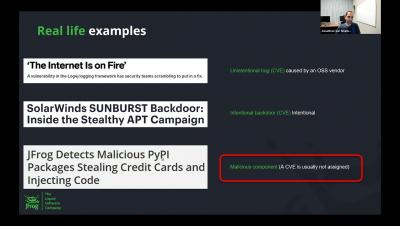
Securing your software supply chain is absolutely critical as attackers are getting more sophisticated in their ability to infect software at all stages of the development lifecycle. This webinar, hosted by JFrog Director of Threat Research Jonathan Sar Shalom, will be a technical showcase of the different types of malicious packages that are prevalent today in the PyPI (Python) and npm (Node.js) package repositories. All examples shown in the webinar will be based on real data and malicious packages that were identified and disclosed by the JFrog security research team.