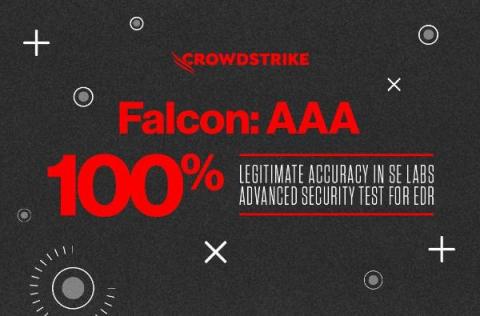
CrowdStrike Falcon Detects 100% of Attacks in New SE Labs EDR Test, Winning Highest Rating of All Vendors
The world's most tested next-gen endpoint protection platform receives AAA award from the prestigious SE Labs.


On December 9, 2021, a critical vulnerability in the popular Log4j Java logging library was disclosed and nicknamed Log4Shell. The vulnerability is tracked as CVE-2021-44228 and is a remote code execution vulnerability that can give an attacker full control of any impacted system. In this blog post, we will: We will also look at how to leverage Datadog to protect your infrastructure and applications.
Speak with any customer in tech and the word Kubernetes will surely find its way into the conversation at some point or another. In terms of orchestration, automating deployments, scaling, managing containerized applications to meet growing customer demand, Kubernetes provides users with extensibility and flexibility.
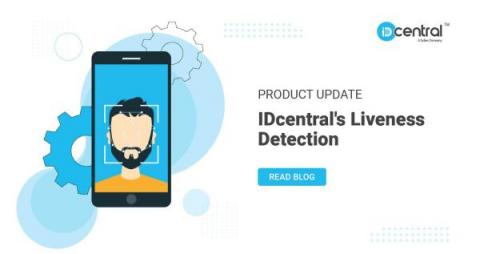
Concepts like AI-based video editing and augmented video processing are not just buzzwords anymore. Fraudsters now have easy access to plug-and-play products that enable them to use the power of deep learning and advanced AI to anonymize, mask, and alter images and videos. These spoofs also known as presentation attacks include printed photos, cutout masks, digital and video replay attacks, and 3D masks.
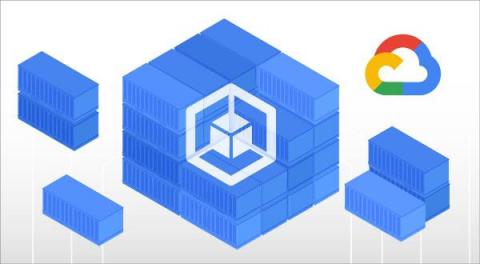
GKE Autopilot from Google Cloud is a mode of operation in Google Kubernetes Engine (GKE) designed to simplify working with Kubernetes in the cloud. Pairing secure DevOps practices with GKE Autopilot will help you and your teams ensure the security, compliance, and performance of your workloads and applications. Sysdig has collaborated with Google Cloud to enable visibility and security for GKE Autopilot and your containers.
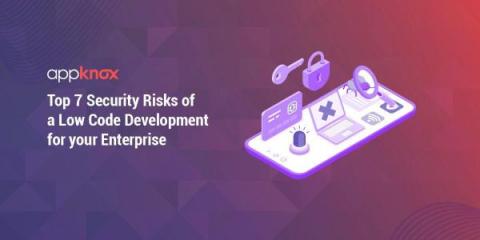
Who would hate the quick and easily applicable way to create application software? How is it even possible? Doesn't application development demand countless planning, design, testing, and most crucial thing, codes? Well, there was a time when it was required, but now, the low-code development approach helps enterprises build an app with little to no code. Sounds fantastic, right? The low-code development expedites business results and empowers them by speeding up the development of new applications.
Whether you’re diagnosing a system outage, mitigating a malicious attack or trying to get to the bottom of an application-response-time issue, speed is critical. Pinpointing and resolving issues quickly and easily can mean the difference between success and crisis for any business, regardless of size or industry. Network and system administrators, security professionals and developers all depend on detailed log data to investigate issues, troubleshoot problems and optimize performance.
CrowdStrike Falcon received a new AAA award from independent testing organization SE Labs, achieving a 100% Attacks Detected rating in the latest SE Labs Advanced Security Test, part of the endpoint detection and response (EDR) testing category. These test results speak to CrowdStrike’s commitment to transparency and Falcon’s comprehensive insight into detecting relevant elements of attack throughout sophisticated adversary attack chains.
This is part 3 of Trustwave’s 2022 Cybersecurity Predictions blog series brought to you by our APAC team. In 2021, the cybersecurity industry was truly tested. Most notably, we uncovered the deeper fallout from the SolarWinds attacks, combatted the proliferation of advanced ransomware gangs and a surge in vulnerability exploitation, and saw fragile supply chain and critical infrastructure more targeted by attackers than ever.
Here at Netskope, our corporate culture means everything to us. In our core values, we strive to be collaborative and transparent, to cut out politics and bureaucracy, and to always have fun. With all of these values in mind, we are so excited to announce that Netskope has been named one of Battery Venture’s 25 Highest Rated Private Cloud-Computing Companies to Work For!