Security | Threat Detection | Cyberattacks | DevSecOps | Compliance

A Balanced Approach to Handling Internal Security Threats

While external cyberattacks often make the headlines, internal security risks (aka insider risks) present a significant danger that is sometimes underestimated. These risks can arise from disgruntled employees, negligent insiders, or malicious actors with privileged access. The repercussions of such breaches can be severe, resulting in data loss, financial harm, legal fines, and harm to reputation.

Why your security needs a modern SIEM solution

Not investing in a Security Incident and Event Management (SIEM) solution means you’re missing out on significant business benefits. A SIEM platform provides real-time detection and response to security incidents, helping you reduce the risk of costly compliance violations. Combine that with SIEM use cases such as consolidating and streamlining reporting, and your security team saves time and operational costs.

Best Tips for Securing Your Loan Applications

Loan applications move fast, and scammers follow the same pace with clever tricks and rushed prompts. Many people apply from phones or laptops that have old software and too many extensions. Files get shared through chat apps, and popups push fake portals. A few steady habits block most of that nonsense, without adding extra hassle.

Stressthem: The Future of Ethical Network Stress Testing and Server Resilience

The internet has evolved into a vast ecosystem where stability and uptime are no longer optional - they're the foundation of user trust and business success. Websites, gaming servers, and applications must handle constant waves of traffic, unpredictable spikes, and even malicious attacks. That's where stressthem comes in - a cutting-edge network stresser built to push your infrastructure to its limits in a safe and controlled way.

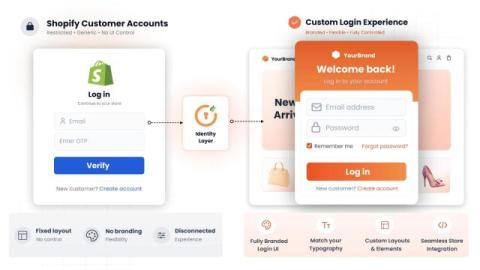
Mastering cloud app control, Part 2: Hardening login security

In Part 1 of the cloud app control series, we explored how SinaraTech, a mid-sized ecommerce company, implemented access control to help reduce shadow cloud app usage by blocking risky or redundant sites. But the story isn't over yet. The SOC team had more nuanced challenges to be addressed. Let's continue down the road to find answers to those challenges.

53% Organizational Silos Derail SASE Adoption, Only 7% of Enterprises Unlock Full Value Amid Internal Roadblocks

New global research from Xalient reveals that SASE investment is vital for enterprise security, but approximately 53% of organizations are still in the early implementation stages. Although 80% of respondents are concerned about cybersecurity threats, breach or fear of breach is the least influential factor in choosing a SASE solution.

Human Risk Multiplier: How Mobile Devices Expand Enterprise Attack Surfaces

Modern businesses are more reliant on mobile devices than ever before. Employees need smartphones and tablets for communication, productivity, and even security authentication. As remote and hybrid work setups become more common, mobile technology is necessary for keeping workers connected to their organizations. At the same time, these devices expose a weak link in the cybersecurity chain: the human layer.

The Missing Memory in Your Security Stack: How Attackers Exploit Stateless Systems

Security teams are facing a daunting challenge: today’s cyberattacks are slower, quieter, and more difficult to spot than ever before. Adversaries, from nation-state actors to malicious insiders, have mastered the art of flying under the radar. They stretch their activities over days, weeks, or even months, using legitimate credentials and tools to disguise their actions as normal business operations. The uncomfortable truth is that most SIEM and XDR platforms are stateless.

Emerging Threat: Django SQL Injection Vulnerability (CVE-2025-64459)

CVE-2025-64459 is a critical SQL injection vulnerability in the Django web framework’s ORM. It affects Django 5.1 versions earlier than 5.1.14, Django 4.2 versions earlier than 4.2.26, and Django 5.2 versions earlier than 5.2.8. Earlier, unsupported series such as 5.0.x, 4.1.x, and 3.2.x were not evaluated and may also be affected, which makes legacy deployments especially risky.