Security | Threat Detection | Cyberattacks | DevSecOps | Compliance

Egnyte's Journey to FedRAMP Compliance and Beyond

Egnyte’s core values have always included trust, security, and enablement of business agility for customers who work in data-intensive and highly regulated industries. In turn, our cybersecurity program has always been aligned with those values, resulting in Egnyte’s maintenance and continuous expansion of our portfolio of industry-specific compliance certifications.

The 5 Biggest Bank Account Takeover Attacks in Recent Years (and How They Could Have Been Stopped)

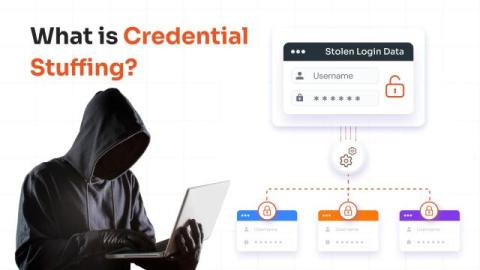
Bank account takeover fraud is a growing global threat, costing financial institutions and customers billions each year. Attackers are refining their tactics, blending phishing, credential stuffing, and mobile malware to bypass traditional defenses. For banks, the stakes are high: a single breach can erode customer trust and regulatory standing overnight.

Visualize Compliance: Explore the Ignyte Platform Dashboard

If your business has to adhere to compliance rules for a framework like FedRAMP, CMMC, or ISO 27001, keeping track of all of the proof of implementation and artifacts is a full-time job. From individual security controls to overall framework compliance to ISMS implementation to stakeholder assignments, it can very easily be a cluttered, disconnected mess. Being able to see it all at a glance can feel like an unattainable dream.

Inside Trustwave's Award-Winning MSSP Approach: People Plus Technology

First appearing in the late 1990s, the Managed Security Services Provider (MSSP) market is one of the most mature service offerings in the cybersecurity sector. However, this sector remains increasingly important and Trustwave is a continuous innovator in the space, as can be seen by Frost & Sullivan naming Trustwave 2024 Company of the Year in the Americas Managed Security Services Industry.

DPDP Act, 2023: Key Requirements & How AppTrana Helps You Comply

On 11th August 2023, the Government of India enacted the Digital Personal Data Protection Act, 2023 (DPDP Act). It is a landmark legislation aimed at safeguarding the privacy of individuals while enabling lawful use of personal data in the digital era. The act applies to digital personal data processed within India and, in certain cases, outside India when offering goods or services to individuals in India.

How to apply cybersecurity lessons to property sales

Zero Trust is now one of the most widely adopted approaches in cybersecurity. Its core principle is simple but effective: assume nothing, verify everything. Every access request, every device connection, every transaction - question them all, verify your sources before you do anything, and ultimately keep yourself safe.

How Cybersecurity Compliance Differs Between the US and EU

Anyone who's tried to build a privacy policy for a company that works in more than one country knows that it can be a headache, the rules aren't the same everywhere, in fact, they're often not even close. The United States and the European Union, two of the most influential regions when it comes to digital regulation, don't treat cybersecurity or privacy the same way, some of that comes down to culture, the rest is law.

The Digital Dopamine Trap: How Nature Resets Your Reward Pathways

Your brain's reward system has been hijacked by digital technology designed to trigger constant dopamine releases that make natural pleasures feel boring and unrewarding. Every notification, like, and scroll provides a small hit of dopamine that your brain craves, creating an addiction cycle that leaves you feeling empty and restless when away from screens. This digital dopamine trap fundamentally rewires your reward pathways, making it increasingly difficult to find satisfaction in simple, natural experiences like conversation, reading, or spending time outdoors.

Taming Shadow IT: What Security Teams Can Do About Unapproved Apps and Extensions

Shadow IT is one of the most pressing issues in cybersecurity today. As more employees use unsanctioned browser extensions, productivity plugins, and generative AI tools, organizations are exposed to more risk. When these tools enter the environment without IT’s knowledge, they can create data exposure points, introduce new vulnerabilities, and make it easier for attackers to find privileged access paths. In many cases, the employee doesn’t even realize the risk they’ve introduced.

Bridging runtime visibility and secrets management in Kubernetes with Sweet Security and CyberArk

Secrets management is a foundational pillar of cloud security. It enables secure storage, rotation, and access control for application secrets. But in Kubernetes environments, secrets don’t just live in vaults; they move, execute, and often proliferate across clusters and containers. Without visibility into how secrets are used at runtime, organizations risk exposing sensitive data without realizing it.