Security | Threat Detection | Cyberattacks | DevSecOps | Compliance

Compliance workflow automation: making SOC 2, GDPR, and ISO auditable by design

Compliance teams know the pattern well: tracking down a missing access review sign-off at 11 p.m. the night before an audit, piecing together evidence from spreadsheets, email threads, and the gap between HR and IT. Access reviews keep appearing in SOC 2 exceptions, and the controls usually aren't the problem. The manual processes around them are. Many teams respond by buying a dedicated GRC (Governance, Risk, and Compliance) platform. Traditional GRC tools are structured repositories.


GDPR Data Security: How DLP and DSPM Support Article 32 Compliance

Article 32 of the General Data Protection Regulation (GDPR) does not specify which tools to use, however it requires organizations to implement "appropriate technical and organisational measures" to protect personal data, proportionate to the risk. What that standard’s vague wording demands in practice is where most compliance programs run into trouble.

Beyond Static Identity: Why Adaptive Behavioral Trust Is Now Essential

Enterprise security is confronting an identity problem that has outgrown the tools designed to contain it. For years, the operating model was straightforward, to authenticate users at the gate, grant access and monitor known risks. However, today AI is increasingly interwoven with business practices, making that model no longer fit for purpose.

Protecting Applications Through Secure Development Practices

Modern software rarely gets built from scratch. Instead, it's put together using a complex mix of proprietary code, open-source libraries, third-party APIs, and various development tools. This network of dependencies and components makes up the software supply chain. While this approach speeds up development, it also brings significant security risks that attackers can exploit, making it more crucial than ever to protect this chain.

Understanding the Biggest Threats to Payment Security

Digital payments have changed how businesses and customers interact, making transactions fast and efficient, whether online or with a tap. This convenience, however, means businesses need to be extra careful about security. For any organisation handling payments, a strong risk management plan isn't just a good idea; it's essential for protecting your business, your customers, and your reputation.

How Long Do You Have to File a Negligent Security Claim in Duluth, GA?

A civil premises liability lawsuit begins ticking the exact moment an attack occurs on a poorly managed property. Most injured parties assume a standard two-year clock dictates their entire window for financial recovery. That rigid assumption ignores how the civil justice system handles third-party violence.

Securing Financial Portfolios Against Modern Malware

The rapid migration of wealth management to cloud platforms introduces significant convenience for private investors. Managing a diverse set of assets now requires constant interaction with web applications. Digital dependency exposes capital to aggressive groups operating malicious software. Hackers regularly build malicious tools targeting financial balances and personal identification records. Standard defenses frequently fail against targeted threats. Protecting private capital requires a shift toward active defense measures.

Why Smart Companies Hire a Private Intelligence Company Before It's Too Late

Every major business deal carries a hidden variable: the people on the other side of the table. Financial statements can be polished. References can be coached. Registrations can be clean while ownership structures hide something far less clean. That is the gap a private intelligence company is built to close - before a bad decision becomes an expensive lesson.

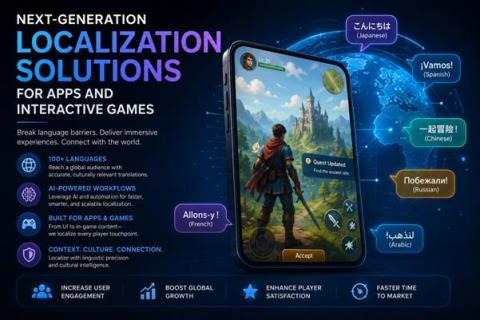
Next-Generation Localization Solutions for Apps and Interactive Games

Most digital products don't fail all at once. There's no crash screen or clear warning that something went wrong. Instead, user interest quietly starts to fade. A user opens an app, pauses for a moment longer than expected, and then leaves without thinking much about it. Few teams trace that hesitation back to language, but in many real-world products, that's exactly where the friction begins. This is where app localization servicesstop being a back-end task and start influencing how the product actually performs. It is no longer just about translating text. It shapes how naturally users move through the product.