Security | Threat Detection | Cyberattacks | DevSecOps | Compliance

Check if your secrets have leaked on GitHub - Has My Secret Leaked Demo

Since 2017 GitGuardian has been monitoring all public activity on GitHub. Now in a new product called Has My Secret Leaked you can check if your secrets on GitHub. In this video, Mackenzie runs through how to use both the web interface and CLI tool GGShield to check if your secrets have ever been exposed on GitHub, regardless of if they have since been deleted. Has My Secret Leaked is a service that will first create a secure hash of your secret locally then match it to other hashes in the GitGuardian database.
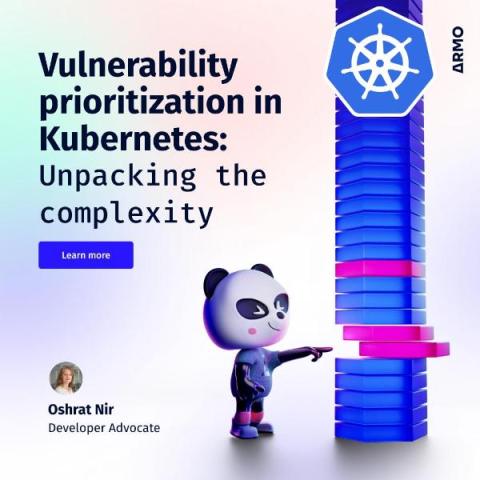
Vulnerability prioritization in Kubernetes: unpacking the complexity

In the rapidly evolving world of container orchestration, developers have come to rely on Kubernetes to manage containerized applications. However, as Kubernetes adoption increases among organizations, ensuring the security of Kubernetes environments becomes essential. One particularly significant aspect to consider is vulnerability prioritization. It’s essential to understand that chasing after the highest CVSS scoring vulnerabilities might not always align with real-world threats.

Vulnerability Remediation for Servers: Beyond Just Patching

To understand vulnerability remediation one must first understand remediation in cyber. Remediation refers to the process of addressing and resolving security vulnerabilities or incidents that could potentially pose a threat to an organization’s information systems, data, or network.

The Challenges for License Compliance and Copyright with AI

So you want to use AI-generated code in your software or maybe your developers already are using it. Is it too risky? Large language model technology is progressing at rapid speeds, and policy makers are ill-equipped to catch up quickly. Anything resembling legal clarity may take years to come about. Some organizations are deciding not to use AI at all for code generation, while others are using it cautiously — but everyone has questions.

Under the hood of CVE patching

Addressing Common Vulnerabilities and Exposures, known as CVE patching, is a practice of applying updates to software (patching) to address security vulnerabilities. CVE patching is your shield against the threat of malicious actors exploiting such weaknesses and is of crucial importance for every organization’s cybersecurity. This post will cover the basics of CVE patching: the roles and stakeholders, the step-by-step process, and common mistakes to avoid.

N-Day Hijack: Analyzing the lifespan of package hijacking attacks

Software package hijacking has become a prominent concern for individuals, businesses, and the cybersecurity community at large. We’ve seen this new threat trend rise over the past couple of years, with the potential to severely impact the software supply chain by attackers exploiting software packages to execute malicious code. This blog post details a case study conducted by our security research team, in an effort to trace the typical time before a package hijack is detected.

Is Santa an insider threat?

Is Santa an insider threat? He breaks into your home, consumes cookies, drinks milk/whisky and leaves a collection of items hidden behind highly decorated wrapping paper. Rumor has it that he can tell if you’re naughty or nice and is actively tracked by NORAD. Can we trust Santa with his elevated access? The answer is, of course, Yes, because we are all Santa. Santa is ultimate trusted Certificate Authority, entrusting intermediate trust to parents worldwide.