Security | Threat Detection | Cyberattacks | DevSecOps | Compliance

How Cloudflare is staying ahead of the AMD vulnerability known as "Zenbleed"

A new flaw in AMD's Zen 2 processors is detailed in this blog post (archive.org snapshot) today, July 24, 2023. The 'Zenbleed' flaw affects the entire Zen 2 product stack, from AMD's EPYC data center processors to the Ryzen 3000 CPUs, and can be exploited to steal sensitive data stored in the CPU, including encryption keys and login credentials.
More than an Assistant - A New Architecture for GenAI in Cloud Security

There is no question that cybersecurity is on the brink of an AI revolution. The cloud security industry, for example, with its complexity and chronic talent shortage, has the potential to be radically impacted by AI. Yet the exact nature of this revolution remains uncertain, largely because the AI-based future of cybersecurity is still being invented, step by step.

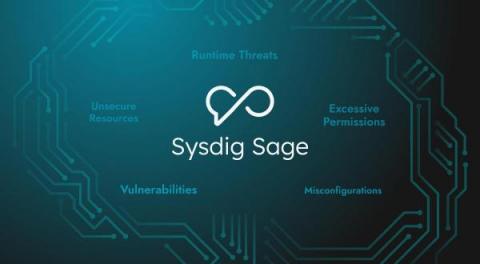
Cloud Security Meets GenAI: Introducing Sysdig Sage

The scale and complexity of the cloud has redefined the security battleground. Threats can now be anywhere and attacks are far, far faster. We are proud to introduce Sysdig Sage - an AI-powered security assistant that redefines what it means to respond at cloud speed. With Sage's help, you can take action on an attack in under 60 seconds! Using multi-domain correlation, multi-step reasoning, and - most importantly - runtime insights, Sage speeds up your investigation by prioritizing security events, providing context, and helping you assess risk.
Featured Post

Challenges in Securing Cloud Workloads

Cloud computing is nothing new in 2023, but is certainly still a growth piece of technology infrastructure, and one upon which many organisations work to build their IT infrastructure, whether across one cloud provider such as the market leaders AWS, or, increasingly, around a multi-cloud strategy across several providers, and some public cloud offerings.

DSPM and CSPM: What are the Differences?

A few years back, data was constrained to the on-premise infrastructure. Data management, governance, and protection were fairly uncomplicated in this enclosed environment. The emergence of cloud computing and multi-cloud infrastructures has not only introduced more complexity in data management and governance, but it has also increased security risks significantly.

AWS Identity Center (SSO) vs. AWS Identity Federation vs. AWS IAM

Selecting an identity management solution is a critically important decision for any software organization. Identity management is a foundational component of good cloud security and can either be an enabler for scalability or a huge technical debt sink. Many organizations start with AWS by quickly throwing together their IAM infrastructure: some users, a few roles, and some policies.

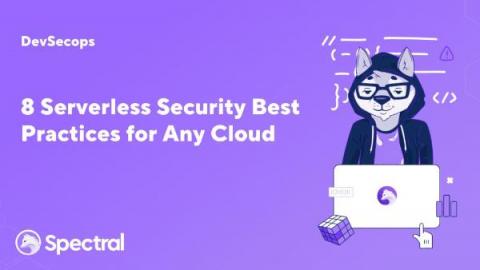
8 Serverless Security Best Practices for Any Cloud

Time, cost, and quality – hitting this trifecta is the ultimate goal of any software organization. Its pursuit over decades has resulted in multiple application development methodologies like serverless computing, an emerging and popular cloud computing model touted as the future. Nearly 70% of organizations will increase their usage of serverless computing by 2025.

Is Your Multi-cloud Strategy Paying Off? Unlocking the Benefits of Multi-cloud Architectures with Netskope SASE

Should we be using multiple public cloud providers? As organizations continue to migrate applications and workloads to public cloud platforms, they often face the tough decision of sticking with a single provider or embracing multiple clouds. Using multiple cloud providers promises a variety of benefits including the ability to minimize vendor lock-in, leverage best-of-breed services, achieve cost advantages, and comply with data sovereignty rules.

An Invitation to Change: Introducing the SecOps Cloud Platform

LimaCharlie is inviting you to join us to change the way you view cybersecurity tools and how you manage security operations as you know it. By watching this video you will have the opportunity to learn how the SecOps Cloud Platform works—an environment where your key cybersecurity solutions can exist, not as a collection of random tools, but as a series of solutions designed to interoperate in an un-opinionated way.