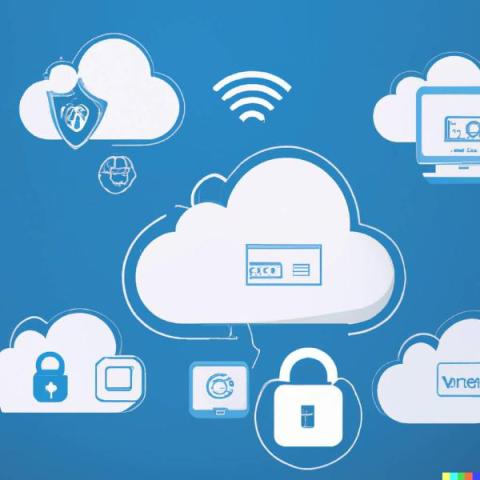
Cloud optimization is the process of correctly selecting and assigning the right resources to a workload or application with the ultimate goal of minimizing costs while improving performance and efficiency. These resources can range from computational power, memory, and storage to network capabilities. The cloud optimization process involves continuously monitoring, analyzing, and fine-tuning these resources to ensure optimal performance.
Cloud computing has become a cornerstone of business operations, with cloud security at the forefront of strategic concerns. A significant focus within this domain is the protection of containerized environments, which are increasingly targeted in cloud-based breaches. Embracing CNAPP (Cloud-Native Application Protection Platform) is crucial, particularly for its role in securing these versatile yet vulnerable container environments.
Based on the well-known cybersecurity method, “honeypots”, Calico Cloud runtime security approach of Honeypods as decoy pods are designed to attract traffic to them from malicious sources and to detect suspicious activity within a Kubernetes cluster.
Today’s security practitioners face a daunting challenge: Staying ahead of sophisticated adversaries who have turned their attention to the expansive terrain of cloud environments. CrowdStrike observed a 95% year-over-year increase in cloud exploitation in 2022. This trend demands strategic reevaluation of how organizations protect their cloud environments and workloads, and emphasizes the importance of choosing the right cloud security capabilities.
For DevOps software developers, navigating the cloud landscape without a clear understanding of risks is equivalent to walking into a minefield blindfolded. Cloud risk management, therefore, becomes an indispensable tool for DevOps – enabling us with the ability to identify, assess, and mitigate potential threats that could jeopardize their applications, their data, and their organization’s reputation.
How many of us use ChatGPT? And how many of us use SaaS applications as part of our daily workflows? Whether you know it or not, if you use either of these tools, your data has likely traveled beyond the boundaries of your “fort.” What do I mean by “fort,” exactly? For this guide, consider your “fort” to be somewhere where you can monitor and secure your data. When data leaks outside your “fort,” it presents a myriad of possible risks.
Many applications rely on user data to deliver useful features. For instance, browser telemetry can identify network errors or buggy websites by collecting and aggregating data from individuals. However, browsing history can be sensitive, and sharing this information opens the door to privacy risks. Interestingly, these applications are often not interested in individual data points (e.g.
The advent of cloud computing has revolutionized various industries, with cybersecurity being no exception. In the realm of threat intelligence, cloud computing has emerged as a game-changing force, enhancing the way intelligence is gathered, analyzed, and applied. This post delves into the transformative impact of cloud-based solutions on threat intelligence.
As the last school bell rings before winter break, one thing school districts should keep in mind is that during the winter break, schools can become particularly vulnerable to cyberattacks as the reduced staff presence and extended downtime create an environment conducive to security lapses. Criminal actors make their move when organizations are most vulnerable: on weekends and holiday breaks.