Mailchimp
Not subscribed to OpsMatters Newsletter


We sat down with industry experts from Bluebeam and Egnyte on March 3, 2021 to tap into their insights and predictions on the Top 10 Construction and Engineering Technology Trends going into 2021.
Yieldstreet is an alternative investments platform that strives to democratize access to financial products historically only available to institutional investors. With Yieldstreet, there are investment opportunities available to both accredited and non-accredited investors looking to invest in funds in the litigation finance, marine finance, and art finance asset classes.
In previous posts, we’ve written about two topics covered in the Devo eBook The Shift Is On, which presents the use case for centralized log management (CLM) in the cloud. First, we looked at the 5 best practices for security logging in the cloud. Next, we delved into the question of when your organization should adopt centralized logging. In our final installment, let’s examine the five key evaluation criteria for choosing the right CLM solution for your business.
Any organization with data assets is a possible target for an attacker. Hackers use various forms of advanced cyberattack techniques to obtain valuable company data; in fact, a study by the University of Maryland showed that a cyberattack takes place every 39 seconds, or 2,244 times a day on average. This number has increased exponentially since the COVID-19 pandemic forced most employees to work remotely, and drastically increased the attack surface of organizations around the world.
ESG research on cyber risk management, which involved 340 cybersecurity professionals, revealed that 40 percent felt tracking patch and vulnerability management over time was their biggest challenge.
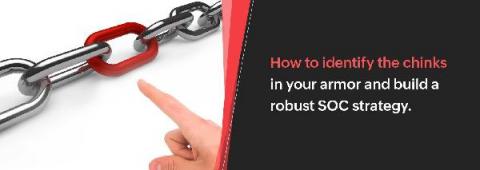
Image source Business technology generally advances on a rapid basis, however, so do the cyberthreats that can endanger your security. According to BusinessWire, more than half of enterprises believe that their security cannot keep up, and according to IBM News Room, more than half of organizations with cybersecurity incident response plans fail to test them.