Mailchimp
Not subscribed to OpsMatters Newsletter


If you’re an active Splunk Phantom user, it’s safe to assume you know what a playbook is. If not, here’s a quick summary: Phantom playbooks allow analysts to automate everyday security tasks, without the need for human interaction. Manual security tasks that used to take 30 minutes can now be executed automatically in seconds using a playbook. The result? Increased productivity and efficiency, time saved, and headaches avoided.
While data security has been an important topic since the internet’s inception, the issue is experiencing renewed prominence as platforms collect and struggle to secure copious amounts of personal information and prevent cyberthreats at the same time. The early 2000s were characterized by unprecedented growth and participation in the digital data economy, but the 2010s saw the creeping consequences of this ecosystem.
You probably remember the Namespace Shadowing a.k.a. “Dependency Confusion” attack that was in the news a couple of weeks ago. I blogged back then about the Exclude Patterns feature of JFrog Artifactory which we’ve had forever and was always intended to protect you against those kinds of attacks.
As your security capabilities improve with centralized log management, you can create proactive threat hunting queries. Setting baselines, determining abnormal behavior, and choosing an attack framework helps you mitigate risk and respond to incidents. To reduce key metrics like the mean time to investigate (MTTI) and mean time to respond (MTTR), security operations teams need to understand and create proactive queries based on their environments.
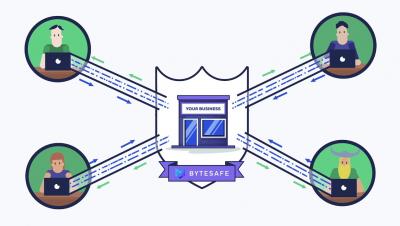
The cloud holds a lot of potential for organisations. Moving your IT environment to a secure cloud provides flexibility and agility. It allows your team to be more productive and focus on delivering value for your business. Protecting your assets, particularly your data, will help you remain secure while your organisation scales using the cloud. As you prepare for cloud migration, it’s crucial that you have the buy-in from your whole organisation.