Mailchimp
Not subscribed to OpsMatters Newsletter


People make up an important part of an organization’s security posture. That’s because some employees have the rights necessary for accessing sensitive data as well as the privileges for viewing and/or editing critical systems. If those individuals have the right focus and training, they can play a crucial part in keeping those assets safe against digital attackers. But if they aren’t paying attention, they could do something that puts their employer at risk.
As insurance organizations look to attract and engage customers, the growing use of web applications has increased their cyber exposure and the risks of cyberattacks. In this benchmark study, we analyzed the attack surface of the top 10 insurers in Europe to highlight the common attack vectors and security weaknesses that could be exploited – from page creation method to vulnerable components – and our top tips for reducing web application security risks.
More and more companies understand the benefits of cloud computing, which is making their migration to the cloud more rapid. Per IDG’s 2020 Cloud Computing Study, 81% of organizations said that they’ve migrated either one application or a portion of their infrastructure to the cloud. The reasons why a company would shift its services towards the cloud depend on its business priorities, of course.
Amazon FSx for Windows File Server is a fully managed file storage service built on Windows Server. Migrating on-premise Windows file systems to a managed service like FSx enables organizations to reduce operational overhead and take advantage of the flexibility and scalability of the cloud. But having visibility into file access activity across their environment is key for security and compliance requirements, particularly in sectors such as financial services and healthcare.
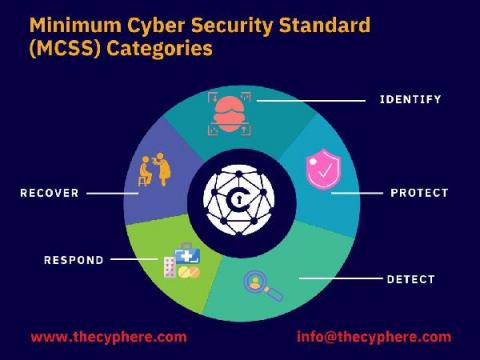
There are many information security standards that UK businesses can work with to protect themselves from cyber related risks. If you’re looking for straightforward measures, which will provide a great starting point and demonstrate compliance in the industry, don’t fret!
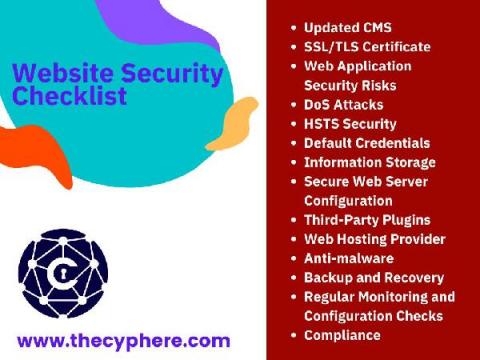
Website security should be a concern for any business owner because attackers are becoming much more sophisticated and are always looking for ways to get into customer databases even without exploiting the victim directly. In this blog, we are sharing a website security checklist to help website owners improve their websites against the most common cyber attacks.