Mailchimp
Not subscribed to OpsMatters Newsletter


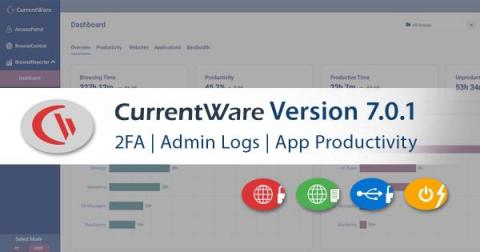
CurrentWare version 7.0.1 is here! With this release we’re excited to announce the introduction of two key security features: Two-factor authentication (2FA) and our first two admin activity logs! These enhancements provide an extra layer of security to help ensure that only trusted operators are accessing your admin console while providing greater visibility into what they are doing within the CurrentWare Suite.
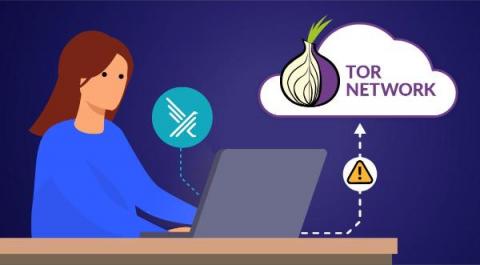
TOR was created with the idea of anonymizing connections across the Internet, but as in other instances, this can be used by attackers to hide themselves. In this article, we will describe how easy it is to detect inbound and outbound network connections through the TOR network using Falco.
The way we work has drastically changed since the start of the pandemic. With more companies adopting remote and hybrid work models, there has been a 600% increase in cybercrime and 65% of organizations have seen a measurable increase in attempted cyberattacks, which is particularly problematic since 78% say remote workers are harder to secure.
Across a health system’s digital terrain, the most vulnerable assets are connected medical devices. If those devices become compromised, the infiltration could impact a patient’s privacy, health and safety. Moreover, it could shut down care delivery for days, weeks or longer, with long-lasting financial and reputational impacts. According to Deloitte, an estimated 70% of medical devices will be connected by 2023.
Apple has recently released OS updates for multiple operating systems, addressing known and exploited security vulnerabilities along with previously unknown ones. During the past week, various data security organizations like the US Cybersecurity and Infrastructure Security Agency and Indian Computer Emergency Response Team have issued warnings asking users to install the latest updates on their Apple devices as soon as possible to avoid possible exploitation of devices and device data.
AT&T Alien Labs does a tremendous job of developing and maintaining a database of observed Indicators of Compromise (IOC) that have been involved with at least one customer through the Open Threat Exchange (OTX).
Data privacy is a priority objective for businesses today, particularly after the European Union's General Data Protection Regulation (GDPR) became enforceable in 2018, as this law protects European citizens’ personal data and requires organizations to change some of their work processes.