Mailchimp
Not subscribed to OpsMatters Newsletter


Under the CA/B Forum BRs for Code Signing Certificates v2.8, Sectigo Certificate Services has implemented a hosted key attestation service to ensure the verification of hardware-backed keypairs during the issuance and management of Code Signing Certificates.
Privileged Access Management (PAM) solutions are designed to protect organizations from a variety of threats that target privileged accounts, credentials and access. These solutions help to secure, manage and monitor access to critical systems and sensitive data.
As a natural language processing model, ChatGPT - and other similar machine learning-based language models - is trained on huge amounts of textual data. Processing all this data, ChatGPT can produce written responses that sound like they come from a real human being. ChatGPT learns from the data it ingests. If this information includes your sensitive business data, then sharing it with ChatGPT could potentially be risky and lead to cybersecurity concerns.
Business Insider reports that the identity verification market is anticipated to reach a value of $12.8 billion by 2024 as a result of the rising amount of digital transactions that require precise and trustworthy identification data. However, a lot of individuals don’t comprehend what identity entails. Identity is more complicated than it first looks since it can vary based on the setting and sector. For the various sources of identification data to be combined, data orchestration is essential.
SBOM is the acronym for Software Bill of Materials, which is a list of all the open source npm packages that are part of your project. But it’s not only limited to open source or software packages, and can include operating system libraries, microservices inventory and more.
The number and complexity of software vulnerabilities is continuously growing. The ability of development and security teams to assess the threat level a given vulnerability poses and prioritize fix efforts accordingly greatly depends on access to as much context as possible about the vulnerability.
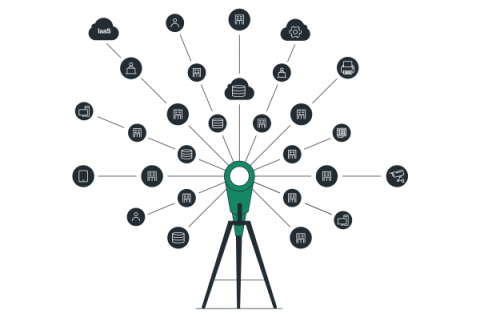
Most modern companies are highly reliant on their IT infrastructure for day-day business, with employees relying on numerous on-prem and cloud-based software solutions for their daily activities. However, for many companies, the network can be something of a black box. As long as data gets from point A to point B and applications continue to function, everything is assumed to be okay. However, the network can be a rich source of data about the state of the business.
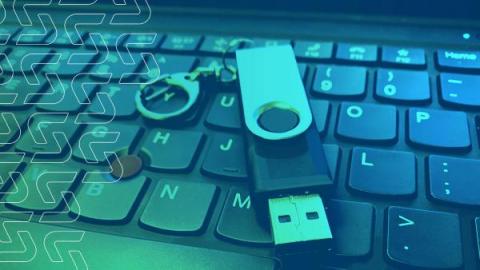
Removable media devices—also known as removable storage devices–present a very high risk to sensitive data stored, processed, or transmitted by information systems in your organization. Sedara recommends implementing strict measures to safeguard sensitive information and prevent its accidental or intentional loss, misuse, or disclosure.