Security | Threat Detection | Cyberattacks | DevSecOps | Compliance

Best practices for securely configuring Amazon VPC

Amazon Virtual Private Cloud (Amazon VPC) is an AWS service that enables you to launch AWS resources within your own virtual network. Because you can deploy VPCs in separate regions and other VPC components themselves are deployable across different Availability Zones, VPC-hosted environments tend to be highly available and more secure.

Directory Sharing in a Web-Based RDP Client Using the File System Access API

Remote Desktop Protocol (RDP) is a protocol developed by Microsoft which at its core is designed to give users a graphical interface to a remote Windows computer over a network connection. The remote Windows machine runs an RDP server, while the local computer accessing it runs an RDP client. Windows comes bundled with Microsoft's Remote Desktop Connection to easily access Windows hosts over RDP.

CVE-2022-3172 - kube-apiserver can allow an aggregated API server to redirect client traffic to any URL

A new vulnerability was reported on Sep 16th in kube-apiserver that allows an aggregated API server to redirect client traffic to any URL. As a result, the client may perform unexpected actions and share the API server credentials with third parties. The aggregated API server extension in Kubernetes API server enables users to extend API server with alternative objects and paths.

Threat news: TeamTNT targeting misconfigured kubelet

TeamTNT is a prevalent threat actor who has been targeting cloud and virtual environments such as Kubernetes and Docker since at least late 2019. This threat actor is financially motivated, focusing their efforts on stealing credentials and cryptomining. In 2020, we analyzed their use of Weave Scope on an unsecured Docker API endpoint exposed to the internet. In December 2021, we attributed an attack to TeamTNT in which they targeted a vulnerable WordPress pod to steal AWS credentials.

Container Image Scanning for Azure Pipelines with Sysdig

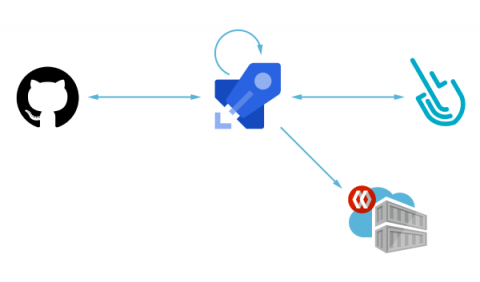
Scanning a container image for vulnerabilities or bad practices in your Azure Pipelines using Sysdig Secure is a straightforward process. This article demonstrates a step by step example on how to do it. The following proof of content showcased how to leverage the sysdig-cli-scanner in Azure Pipelines. Although possible, it is not officially supported by Sysdig, so we recommend checking the documentation to adapt these steps to your environment.

Why misconfigurations continue to plague public cloud network services and how to avoid them

Cloud security as a strategy is constantly evolving to meet the needs of organizations for scale, agility, and security. If your organization is weighing the merits of the use of public cloud versus private cloud, here are a few facts to keep in mind.

Attackers Continue to Abuse Google Sites and Microsoft Azure to Host Cryptocurrency Phishing

On August 9, 2022, we released a blog post about a phishing campaign where attackers were abusing Google Sites and Microsoft Azure Web Apps to steal cryptocurrency wallets and accounts from different targets, namely Coinbase, MetaMask, Kraken, and Gemini. The attackers were abusing SEO techniques to spread the pages and using advanced techniques to steal data, such as using live chats to interact with victims.