UTMStack SIEM Real Time Detection and Response Powered by AI
Overview of UTMStack Free SIEM features and approach the threat detection and response through ML-powered real-time AI detection.


Despite the security controls that OpenAI has imposed on ChatGPT to try to make it a secure space capable of assisting users in a variety of tasks, cybercriminals have managed to exploit this technology for malicious purposes. Recent research has shown that this generative artificial intelligence is capable of creating a new branch of polymorphic malware with relative ease. The main risk lies in ChatGPT's versatility, which allows it to create code that could easily be used for malware.
Mobile phones have become an indispensable tool in all our lives. Ensuring their security and protecting sensitive information becomes paramount, especially when you have all your work-related apps and data synced. Every 39 seconds, a new assault occurs on the internet, and 24,000 malicious mobile apps are typically blocked everyday.
What is it: Agentless architecture refers to platforms and services that are built to run as cloud-native applications. They require no installation, patching, or other forms of long term upkeep on the part of a user. Why it matters: Agentless applications, especially agentless security applications have a lower total cost of ownership (TCO), in terms of man-hours saved in deployment, maintenance, and overhead.
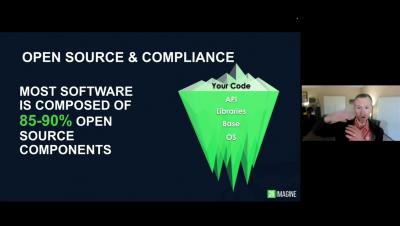
Open source code is a vital aspect of modern development. It allows developers to increase their application’s functionality, while reducing overall development time. However, the system isn’t perfect. The nature of third party software and it’s dependencies often creates opportunity for security vulnerabilities to lurk in libraries and downloads.