Security | Threat Detection | Cyberattacks | DevSecOps | Compliance



Synthetic Identity: When AI and ML Crunch (Your) Harvested Data
ChatGPT knows a lot about Len Noe, CyberArk’s resident technical evangelist, white hat hacker and biohacker. The biohacker piece of his title is a nod to the fact that Noe is transhuman (you might call him a cyborg and be right), which is why his grandkids call him “Robo Papa.” ChatGPT knows all of this.
EP 31 - How Generative AI is Reshaping Cyber Threats
While generative AI offers powerful tools for cyber defenders, it’s also enabled cyber attackers to innovate and up the ante when it comes to threats such as malware, vulnerability exploitation and deep fake phishing. All this and we’re still just in the early days of the technology.

ChatGPT, the new rubber duck
Whether you are new to the world of IT or an experienced developer, you may have heard of the debugging concept of the 'programmer's rubber duck’. For the uninitiated, the basic concept is that by speaking to an inanimate object (e.g., a rubber duck) and explaining one’s code or the problem you are facing as if you were teaching it, you can solve whatever roadblock you’ve hit.
Understanding the Zero Trust Security Model
Are you looking for ways to transform your organization’s network security for the modern era? Zero. Zero. Trust security offers a cutting-edge approach that eliminates implicit trust and requires continuous verification of users and devices. Dive into this comprehensive guide and discover how Zero Trust can revolutionize your security posture and protect your valuable resources.
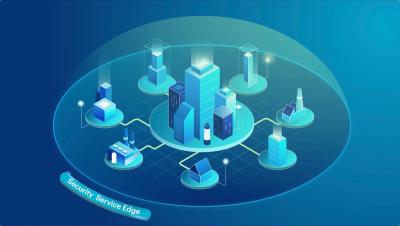
Security Service Edge (SSE) Explained
The AI Genie Is Out Of The Bottle, And We Can't Put It Back In
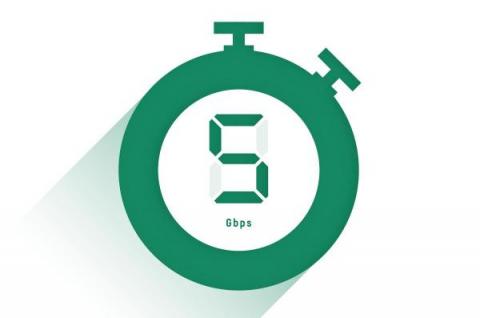
Cato's 5 Gbps SASE Speed Record is Good News for Multicloud and Hybrid Cloud Deployments
In the original Top Gun movie, Tom Cruise famously declared the words, “I feel the need! The need for speed!” At Cato Networks, we also feel the need for speed, and while we’re not breaking the sound barrier at 30,000 feet, we did just break the SASE speed barrier (again!).

What is a cloud migration and why do you need one?
In the past, organisations traditionally stored their data, applications, and resources in on-premises servers located in their building and typically managed by an in-house IT team. However, the modern work landscape has changed significantly, many businesses now prefer to migrate their IT infrastructure from on-premises to servers that are hosted and accessed through the internet, also known as ‘The Cloud’.
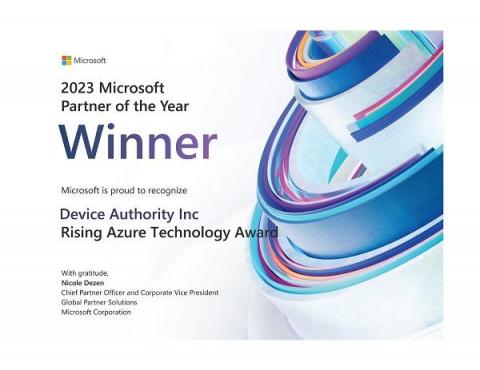
KSaaS has made device and data trust more accessible, affordable and scalable than ever.....and we've got a global Microsoft award to prove it!
The reliance on connected devices in today’s interconnected world has become a necessity for any business wanting to capture and relay timely data to drive efficiency, performance improvements and commercial advantage. Trust in the devices and data is paramount and so it is no surprise to us at Device Authority that the launch of our Keyscaler-as-a-Service solution has been so successful and, this week has achieved us the accolade of Microsoft Rising Azure Technology Partner of the Year.