Security | Threat Detection | Cyberattacks | DevSecOps | Compliance

Is Runtime Vulnerability Management the future of cyber risk management?

Traditional vulnerability management has hit a wall. The vulnerability management playbook hasn't changed much in decades: scan for CVEs, prioritize by CVSS scores and patch as quickly as possible. But this reactive approach is failing security teams who are drowning in alerts while real threats slip through the cracks. Runtime vulnerability management sets out to change this status quo. Here's what you need to know.
Featured Post

Data Protection vs. Cyber Resilience: Mastering Both in a Complex IT Landscape

Today's always-on, hyperconnected world requires CIOs to confront two equally important concepts: data protection and cyber resilience. As reliance on data to fuel analytics, engineering, marketing, and other key operations increases, the complexity surrounding IT infrastructure grows in tandem. Hybrid workforces, edge computing, cloud-native applications, and legacy systems add further complexity to the mix.

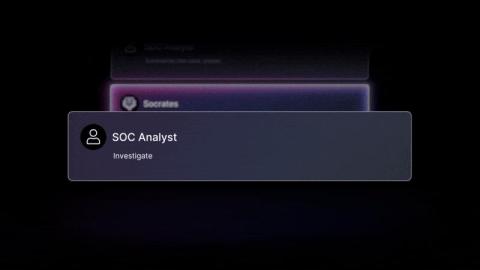
The AI SOC Analyst That Offloads 90%+ of Tier-1 Cases - Meet Socrates

Security Operations Centers (SOCs) continue to struggle in 2025. The perfect storm of growing alert volume, consistent talent shortage, and the well-documented limitations of legacy SOAR solutions have brought many SOC teams to a breaking point. At the same time, bad actors continue to innovate, and cybercriminals have become more sophisticated in their tactics and techniques, including using AI to launch attacks at scale.

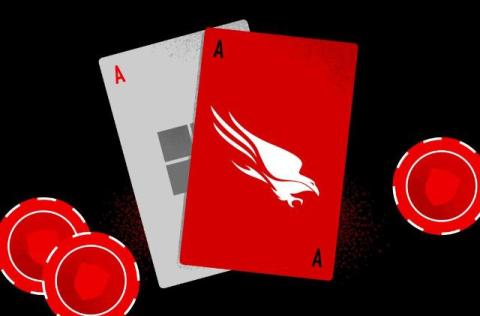
CrowdStrike and Microsoft Unite to Harmonize Cyber Threat Attribution

In cybersecurity, understanding an adversary’s identity, capabilities, and intent is critical to intelligent cyber defense. Attribution matters. Despite cyber threat intelligence tracking a multitude of threat actors for many decades, accurately attributing malicious activity continues to be difficult. Vendors and researchers often see different parts of the same puzzle — or entirely different puzzles — due to differences in telemetry.

SOC 2 Compliance and Vulnerability Scanning: A Complete Guide

With 5+ vulnerabilities being discovered every minute, a SOC 2 (System and Organization Controls 2) compliance certificate demonstrates to customers and partners that the organization is committed to security and adheres to industry best practices for safeguarding data. Apart from customer trust, it can help organizations find and fix security vulnerabilities before attackers can exploit them.

Cybersecurity Best Practices for Smart Cities

Cities worldwide consume ~66% of global energy, account for ~3/4th of GHG emissions, and host over a billion people in informal settlements with barely enough to survive. This underlines the need to create sustainable, connected, and inclusive urban areas that offer a decent quality of life, since by 2050, 7 out of 10 people globally are estimated to live in such regions.

AI Trust in Action: How Snyk Agent Redefines Secure Development

One word defines success or failure in the race to adopt AI in security workflows: trust. While the industry moves fast toward automation and autonomy, adoption often stalls when developers and the teams supporting them can’t trust what the AI delivers. It’s not enough for a tool to explain what it did. Developers want to know: Did it actually fix the problem? Will this change break something else? Can I rely on it again next time? Nowhere is that skepticism more justified than in security.

5 Tips to Build Cloud Cyber Resilience

Cloud cyber resiliency means a company can handle cyberattacks and recover fast to keep its cloud services running. It’s about creating systems that expect issues—like attacks, errors, or technical issues—and act quickly to reduce harm. This ability is now very important because businesses depend more and more on cloud systems to run their work. Factors driving this urgency include: Organizations find it hard to keep up with innovation and flexibility while staying secure.

AI and Human Expertise: A Key Alliance in Cybersecurity

While many cybersecurity tasks - like log monitoring, event correlation, or alert classification - are repetitive and operational, they can be exhausting for professionals in the field. Artificial intelligence (AI) has become a key enabler for automating processes, reducing false positives, and optimizing incident prioritization. However, this does not mean cybersecurity can do without essential human abilities such as creativity and critical thinking.