Security | Threat Detection | Cyberattacks | DevSecOps | Compliance

Assessing Third-Party AI Vendor Risk Before It Becomes a Problem

Every SaaS tool your organization onboards now carries a hidden layer of AI risk. The chatbot on your CRM, the transcription service your sales team runs, the code assistant embedded in your IDE. Each one processes company data through models you did not build, in ways your vendor questionnaire was not written to catch. Traditional third-party risk management was designed to evaluate infrastructure, access controls, and data handling.

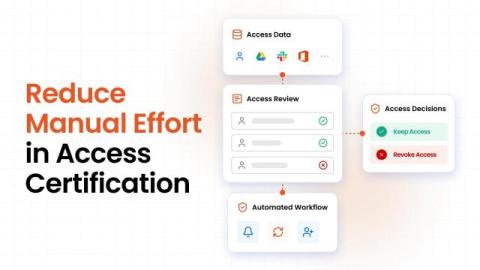
Access Control Models Explained for Modern Security Teams

Most guides tell security teams to pick an access control model and move on. That advice breaks down in real environments, because the hard part isn't naming the model, it's keeping least privilege, auditability, and enforcement aligned as identities, attributes, and relationships keep changing across SaaS, cloud, endpoints, and network gear. In practice, the winners are the teams that treat access control as an operating discipline, not a diagram in an architecture deck.

Thousands of Exposed Fuel Gauges Just Left the Internet

Most of the exposure research we publish goes one way. We count some category of internet-exposed devices, the number is bigger than you hoped, and it is climbing. Webcams. Industrial control systems. NTP servers old enough to vote. The story is almost always "there is more of this exposed than there should be, and it is getting worse.".

Software for Non-Profits Canada: Top 5 Platforms to Scale Your Mission

Operating a registered charity or non-profit organization in Canada involves navigating complex daily workflows, maintaining accurate record-keeping, and adhering to Canada Revenue Agency regulatory compliance. Beyond meeting administrative standard procedures, teams must coordinate volunteer management, manage communications, and maintain complete operational oversight to build long-term donor accountability. Choosing the right digital platform plays a central role in driving staff efficiency, optimizing response times, and maximizing overall customer satisfaction.

CISO Risk Intel Brief: Application Risk Intelligence for Early August 2026

Senior security leadership continues to confront a dual acceleration: self-propagating software supply-chain worms that weaponize developer credentials at unprecedented velocity, and the persistent security debt introduced by AI-generated code. This briefing synthesizes material developments across the most recent seven days and the preceding thirty days, framed strictly around residual risk, control effectiveness, and business enablement.

MCP Security Risks: Trusting Tool Descriptions Without Standards

Are we trusting AI tools too much? Right now, agents trust tool descriptions without verification. This could lead to serious security risks! What happens when a major server gets compromised? It's time to rethink our standards for AI tool security. What do you think about AI trust issues?

Ep. 72 - The File That Lies: One CLAUDE.md Walks Off With Your Agent's Credentials

A poisoned CLAUDE.md file inside a cloned repository quietly tells a coding agent to send its test logs to an outside endpoint, and the agent complies, shipping environment details, internal system information, and API keys to a server the developer never controlled. The model was not broken. It was obedient. In this episode of The Cyber Resilience Brief (a SafeBreach podcast), host Tova Dvorin and SafeBreach senior sales engineer Adrian Culley break down why building agentic AI controls is not the same as proving they hold under attack.

Best Ransomware Protection Tools to Protect Your Business

Ransomware attacks remain one of the most damaging cyber threats facing businesses today. These attacks mostly begin through phishing links, malicious downloads, exposed services, or stolen credentials. Once attackers gain access, they begin encrypting data to demand ransom and disrupt overall business operations. To mitigate this risk, organizations need to implement strong ransomware protection that blocks malicious activity early and detects suspicious behavior.