Security | Threat Detection | Cyberattacks | DevSecOps | Compliance

Rethinking the Interception Proxy: Why Crusader is Betting on Local-First SQLite

For years, interception proxies have largely followed the same formula. Capture traffic, display requests, allow replay and modification, and store everything inside an internal project format. It is a workflow that has served penetration testers and bug hunters well, but it also creates an unexpected limitation: the data you generate during an assessment often becomes surprisingly difficult to use outside the proxy itself.

Weekly Brief: Threat Intelligence Edition | How AI Agents Help Security Teams Prioritize Risk

In this week's SecurityScorecard Weekly Brief: Threat Intelligence Edition, Richard Hummel explains why third-party risk has become one of the biggest challenges facing security teams, and why humans alone can no longer keep pace. Attackers are moving faster than ever, exploiting vulnerabilities across complex vendor ecosystems long before traditional assessment cycles can react. As Richard notes, the question is no longer, "Am I secure?" It's "Are all of my vendors secure?".

Best Cybersecurity PR Agencies 2026

Most cybersecurity vendors underestimate PR until a crisis forces the issue. A vulnerability is disclosed in their product and the story spirals before a response is drafted. A competitor lands the Gartner Magic Quadrant quote while their own CEO stays invisible. A breach hits the news with no narrative ready. The instinct is to call a generalist agency, but the real problem runs deeper: cybersecurity PR is a specialized discipline that demands technical fluency, relationships inside security trade media, and crisis playbooks built for the unique pressures of the category.

Why Sensitive Data Detection Is Harder in AI Workflows

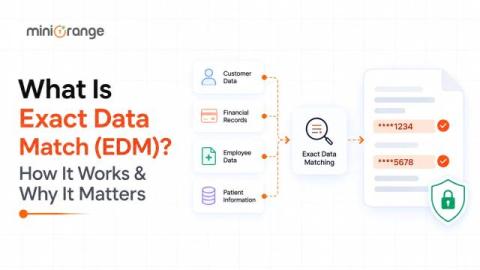
Sensitive data used to live in predictable places database columns, known field names, structured rows. That changed when data moved into documents. And it changed again when AI workflows arrived. In this video, we walk through why detecting sensitive data in AI pipelines is fundamentally different from traditional data discovery, and why the old approaches break. We cover the four failure modes that make detection hard in AI workflows.

Modernizing the Mission: Splunk Victoria Experience is Now Authorized at FedRAMP High

For public sector organizations and other highly regulated industries, the balance between cutting-edge innovation and strict compliance has often felt like a trade-off. You want the latest features, but security and authorization come first. Today, we’re closing that gap. We’re excited to share that, following our FedRAMP Moderate authorization earlier this year, Splunk Victoria Experience has now officially achieved FedRAMP High authorization as well.

FedRAMP Rev 5 vs. 20x: What CSPs Should Do Right Now

Cloud Service Providers (CSPs) who either currently work with the federal government, are in the process of earning FedRAMP certification, or are considering seeking it, all have a serious choice to make. FedRAMP is changing. If you haven't been watching the world of government compliance, or if you've been putting off making a decision until a deadline gets closer, it's here. As a CSP, what do you need to know, what decision do you need to make, and how will it affect your path with government contracts?

How to Secure AI Agents in the Enterprise: A Practical Guide for CISOs

Building guardrails for AI agents sounds like a policy problem but it is actually a data problem. You cannot enforce boundaries on behavior you cannot see. And you cannot govern identity for actors you have not discovered. That dependency chain is what most enterprise security programs miss in 2026, and it is where exposure quietly accumulates. A human employee who mishandles sensitive data creates a containable event. An AI agent with the same permissions creates a different problem.

The hidden cost of reasonable assurance

For decades, compliance programs, audits, and certifications have operated on a foundational concept: reasonable assurance. Auditors review samples, evaluate controls periodically, and issue opinions based on limited visibility into a point in time. While this model served the analog era well, it is now insufficient for the speed, complexity, and interconnectedness of modern digital enterprises. Today’s organizations operate in real time. Threats emerge instantly. Vendors change continuously.