Security | Threat Detection | Cyberattacks | DevSecOps | Compliance

An Introduction to the NIST Risk Management Framework (RMF)

While inherently critical to today’s businesses that run on data, implementing and enforcing data security and privacy has never been straightforward. Between collecting different types of sensitive data and deploying unique architectures, organizations cannot adopt a one-size-fits-all solution, meaning that every security architecture is unique.

SecurityScorecard Weekly Brief: The Cyber Risk and Policy Edition - Amanda Smith

In this week’s Weekly Brief: The Cyber Risk and Policy Edition, SecurityScorecard’s Director, Public Sector Channel Amanda Smith breaks down why the U.S. war with Iran is more than just what takes place on the physical battlefront. In 2026, as conflict unfolds in the Middle East, the digital battlefield has a direct impact on the homeland and U.S. critical infrastructure, too. “It's a global digital confrontation that hits a lot closer to home than a lot of people realize.”

FedRAMP's June 2026 Rule Overhaul: CR26 Explained

The first quarter of 2026 is behind us, and that means the next wave of rules, program phases, and other shifts in governmental policy are starting to take effect. One that you may have seen mentioned coming soon is the Consolidated Rules update. What is CR26, when does it take effect, and what does it do? We’ve been eyeing this update for months now, because it makes some very exciting changes, so let’s go through it and see how it will affect the FedRAMP process.

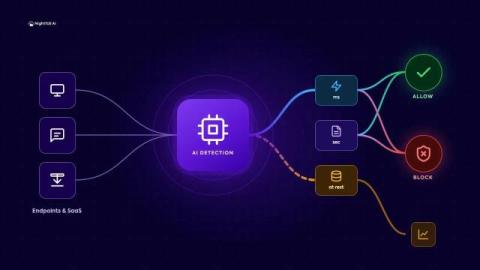
How AI Threat Detection Stops Breaches Before They Happen: A No-Fluff Guide

What’s changed in the cybersecurity world after the advent of Artificial Intelligence (AI)? The speed of response has gone up. The Security Operations Center (SOC) and internal cybersecurity teams are able to detect, respond to, and mitigate attacks faster than ever. It’s a no-brainer that AI agents can neutralize identity-based attacks within seconds, before a human analyst checks the alerts.

Access Certification: Process, Benefits & Best Practices

Access issues don’t usually come from one big mistake. They build up over time through small decisions. Temporary access gets extended, roles change but permissions stay the same, and vendor accounts remain active longer than expected. Individually, these situations don’t seem urgent but over time, they make it difficult to track who has access to what, and whether that access is still required. This is where access certification becomes important.

What Is Generative AI Security? Key Risks and How to Fix Them

Generative AI security is the practice of protecting the data that flows into AI systems, and the outputs those systems produce, from leaks, attacks, and unauthorized access. Every organization using AI today has the same blind spot. Sensitive data enters an AI pipeline, and most security teams have no visibility into where it goes next. An employee pastes a customer record into ChatGPT. A developer submits code containing API keys to an AI debugging tool.