Security | Threat Detection | Cyberattacks | DevSecOps | Compliance

Deciphering the Differences: Proxy vs. VPN

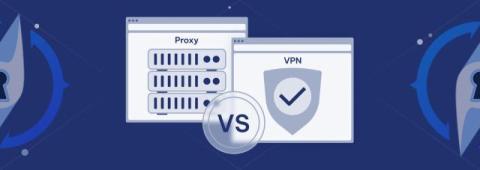
When it comes to fortifying the privacy and security of your internet connection, proxies and VPNs (Virtual Private Networks) typically emerge as the go-to options. Both these tools excel at safeguarding your online identity, leading many businesses, institutions, and individuals to use them interchangeably. However, they operate quite distinctively. To decide on the most suitable tool for your browsing requirements, it’s vital to comprehend their differences.

Proxy Servers: An Overview and Comprehensive Guide

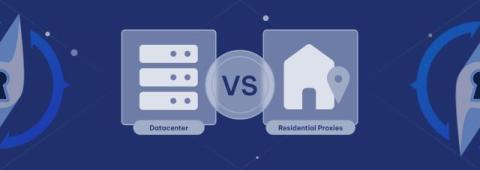
While web browsing is a common activity, it seldom ensures privacy. Given the pervasive tracking mechanisms employed by websites and applications, individuals and businesses are turning towards proxy servers to safeguard their privacy. One can consider residential proxies as the foremost line of defense in maintaining online anonymity. However, proxy servers do more than just conceal your online identity; they offer an array of benefits that enable you to explore the internet without inhibitions.

Your Shopping List for Security & Privacy Program Essentials

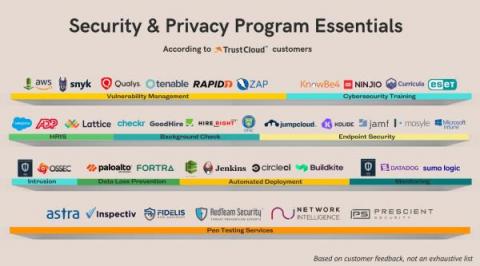
Whether your org is about to begin its journey for SOC 2, or you’re planning to wrangle up more standards (think ISO 27001, CMMC, and HIPAA, to name a few), the set of tools and software you have in place can be make-or-break. We asked our customers what their recommended tools were, and compiled your shopping list for security and privacy program essentials. Tools or services marked with * denotes a partner or integration.

Rolling out our privacy-preserving telemetry system

Back in March, we shared our plan to develop a privacy-preserving telemetry system that will help us build an even better 1Password. The goal was simple: to better understand how people are using 1Password, where they’re getting stuck, and which updates we should be focusing on first.

ChatGPT and Data Privacy

In April 2023, German artist Boris Eldagsen won the open creative award for his photographic entry entitled, Pseudomnesia: The Electrician. But, the confusing part of the event for the judges and the audience was that he refused to receive the award. The reason was that the photograph was generated by an Artificial Intelligence (AI) tool.

A Future Without Online Privacy: The Possible Outcomes of Neglecting Privacy?

Privacy is still a thing–for now. But there may come a time where privacy online is nothing but a distant memory. As our lives become more and more intertwined with the internet, the protection of online privacy has become a huge deal. Privacy is a battle of inches (or centimeters) and as technology advances and our digital footprint expands, the risks to our privacy also increase slowly but surely.

Best Practices for Managing Patient Data Privacy and Security

Patient data privacy is of utmost importance in today’s healthcare environment. Security is equally critical, forming the foundation of trust between patients and providers. Healthcare organizations handle incredibly sensitive information, including medical histories, diagnoses, and treatment plans. Mishandling this data carries significant risks far beyond just financial implications. These threats come in the form of significant monetary fines under some regulations.

Q1 2023 Privacy: In for Another Wild Year

2023 started much the same as the year before, with state legislatures producing an impressive list of privacy-related bills in the U.S. Twenty-three states introduced comprehensive privacy legislation, with many more targeted privacy bills being considered as well. Iowa's governor signed the sixth comprehensive privacy law to close out the quarter.

Social Media Privacy: Which Social Platforms Are the Most Secure

Social media has become an integral part of our lives, enabling us to connect with friends, share experiences, and express ourselves. However, with the increasing reliance on social media platforms, concerns about online privacy and data security have also emerged. So which social platforms are private and which ones are not? Are there any more private alternatives to the traditional platforms we all know and use?