Security | Threat Detection | Cyberattacks | DevSecOps | Compliance

Industrial Remote Access: Why It's Not Something to Fear

Increased uptime? Check. Better access to outside expertise? Check. Improved first-time-fix rate? Check. These are just some of the benefits of industrial remote access. Yet many customers are reluctant to embrace remote access. Not only that, but incidents such as the breach at the Oldsmar water utility might increase organizations’ reluctance to use remote access.

ICYM: 4 SaaS Security Lessons to Keep Top of Mind in 2021

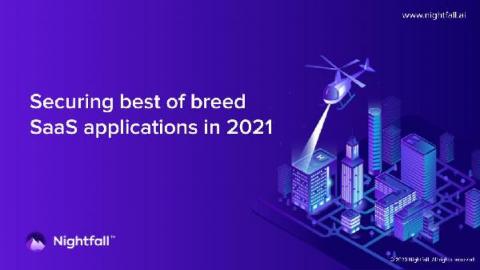
At the end of 2020, we hosted a webinar alongside Sisense’s Chief Security & Trust Officer, Ty Sbano titled Securing Best of Breed SaaS applications in 2021. The discussion focused on reviewing the most important security trends of last year and how that should inform security programs this year. As 2021 continues to progress, these are the 4 trends and lessons we think are worth keeping in mind.

CISO Insider S1E6 - CISO Insider Season 1 recap

At Nightfall, we believe in the power of learning from those who have done it before. That’s why we created CISO Insider — a podcast interview series that features CISOs and security executives with a broad set of backgrounds, from hyper-growth startups to established enterprises. Through these interviews, we’ll learn how industry experts overcame obstacles, navigated their infosec careers, and created an impact in their organizations.

Top 5 SIEM trends of 2021 and how Elastic Security solves them

Security information and event management (SIEM) systems are centralized logging platforms that enable security teams to analyze event data in real time for early detection of targeted cyber attacks and data breaches. A SIEM is used as a tool to collect, store, investigate, and report on log data for threat detection, incident response, forensics, and regulatory compliance.

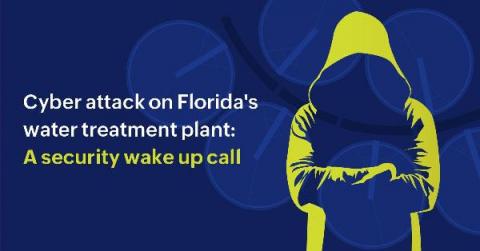
Cyberattack on Florida's water treatment plant: What it means to global organizations

The recent news of a cyberattack on a water treatment plant carried out by a remote perpetrator came as a shock to organizations around the world. Earlier this month, an unauthorized threat actor had remotely accessed the plant’s control systems via TeamViewer and used it to increase the amount of sodium hydroxide (lye) in water to dangerously higher levels.