Security information and event management (SIEM) systems play a pivotal role in cybersecurity: they offer a unified solution for gathering and assessing alerts from a plethora of security tools, network structures, and software applications. Yet, the mere presence of a SIEM isn't a magic bullet. For optimal functionality, SIEM systems must be appropriately set up, governed, and supervised round-the-clock.
In the fast-paced world of cybersecurity, the recently released 2023 ISC2 Cybersecurity Workforce Study paints a bright future for the industry although significant obstacles remain including a workforce and skills gap. Conducted by ISC2, the leading nonprofit member organization for cybersecurity professionals, this study examines critical aspects of the cybersecurity landscape.
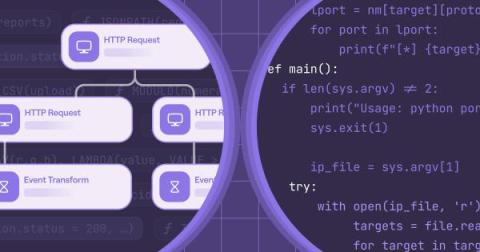
We're sometimes asked, "Can you run Bash or Python scripts natively in Tines?" and today, we're sharing the answer, and weighing in on the debate between full-code, low-code and no-code automation. The short answer is yes, you can run scripts and linux commands natively in Tines, however, you might not necessarily want to. Many of our customers avoid doing so for security, usability and performance reasons. Let's take a closer look at some of these potential pitfalls.
QR code phishing, most commonly referred to as “quishing,” is a type of phishing attack that tricks users into scanning QR codes to steal personal information such as login credentials or credit card numbers. When a user scans a QR code created for a quishing attack, they are taken to a malicious website that either downloads malware on their phone or asks for their personal information.
This week’s data breaches contained significant impact figures from around the world. Malware on a vendor’s computer inadvertently breached Japan’s Line Messenger. New York’s East River Medical Imaging suffered the loss of employee and patient record information. The Pan-American Life Insurance Group faces a 105k record data breach through MOVEit.