Shifting a Flexible Single Master Operations (FSMO) role from one domain controller (DC) to another is normally done through a role transfer operation. But if the DC that holds an FSMO role experiences a serious failure that takes it out of service, you must instead seize its FSMO roles and reassign them to a functioning DC. For example, you need to seize an FSMO role if the current role holder: Important: After you seize an FSMO role from a DC, ensure that it is never reconnected to the network.
Security information and event management (SIEM) systems play a pivotal role in cybersecurity: they offer a unified solution for gathering and assessing alerts from a plethora of security tools, network structures, and software applications. Yet, the mere presence of a SIEM isn't a magic bullet. For optimal functionality, SIEM systems must be appropriately set up, governed, and supervised round-the-clock.
In the fast-paced world of cybersecurity, the recently released 2023 ISC2 Cybersecurity Workforce Study paints a bright future for the industry although significant obstacles remain including a workforce and skills gap. Conducted by ISC2, the leading nonprofit member organization for cybersecurity professionals, this study examines critical aspects of the cybersecurity landscape.
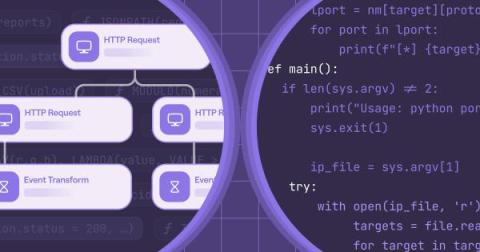
We're sometimes asked, "Can you run Bash or Python scripts natively in Tines?" and today, we're sharing the answer, and weighing in on the debate between full-code, low-code and no-code automation. The short answer is yes, you can run scripts and linux commands natively in Tines, however, you might not necessarily want to. Many of our customers avoid doing so for security, usability and performance reasons. Let's take a closer look at some of these potential pitfalls.