Security | Threat Detection | Cyberattacks | DevSecOps | Compliance

What You Need to Know About the 3CX Supply Chain Attack

A supply chain attack that targets customers of the 3CX Voice Over Internet Protocol (VoIP) desktop client has been discovered. Threat actors have created a digitally signed and malicious version of the software, which is being used to target both Windows and macOS users of the app. The threat actors are deploying second-stage payloads and are believed to be linked to a North Korean state-backed hacking group, , although this attribution has not been confirmed.

Securing the web (forward)

We have grown to expect a reasonable level of privacy and security when we use services on the web and web-based applications. That’s because these services deal with every aspect of our daily lives — from money and finances, to how we interact with government services, to our education or the education of our children, to communicating with friends and family, to healthcare, to simply buying food to eat.

PulseMeter Report: Software supply chains

The not-so-distant memories of security events like Log4Shell and the SolarWinds attack keep software supply chain attacks front of mind for developers. There are things organizations can do to detect and deter malicious supply chain attacks, including the recently mandated (as per the U.S. federal government) software bill of materials (SBOM).

Coffee with Jim - Securing Against Supply Chain Cyber Attacks

Following the ransomware attack on US IT firm Kaseya, join us for a chat about the ever-increasing need to secure ourselves successfully against not only direct ransomware attacks, but those that affect us through our supply chains. An estimated 200+ firms have been crippled by the attack on Kaseya, simply because they use Kaseya’s software. The implication of this is that it can feasibly happen to any aspect of your supply chain, so if cyber security is not high on your board’s list of priorities, it really should be. How could the attack on Kaseya, and other supply chain attacks, have been avoided? How can you reduce the probability of it happening to your own organisation? And crucially, how can you make the solution cost effective?

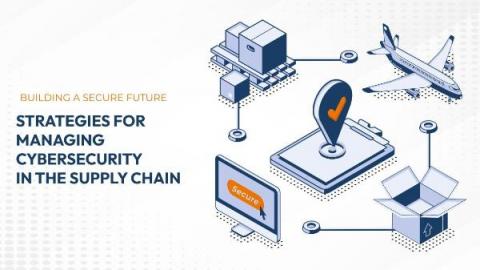
Building a Secure Future: Strategies for Managing Cybersecurity in the Supply Chain

According to recent research, 68% of computer applications use open-source software libraries without the knowledge of the company. Another study by Argon Security shows that the supply chain attacks have grown up to 300% in 2021 compared to 2020.

Supply Chain Attacks: What You Need to Know

Every day, thousands of companies download updates to their software. With a click of a button, they can walk away and return the next morning with everything reorganized and in order. While a staple of modern life, this action is no longer completely harmless. It is now one of many attacks that bad actors use to access systems and execute supply chain attacks.

Third party Cybersecurity risks in securing the supply chain

Some of the biggest prevailing challenges in the cybersecurity world over the last year have been those revolving around securing the software supply chain across the enterprise. The software that enterprises build for internal use and external consumption by their customers is increasingly made up of third-party components and code that can put applications at risk if they aren't properly secured.

Securing the Software Supply Chain: Key Findings from the Mend Open Source Risk Report

Threat actors will always target the things most important to businesses, and today, that means applications–the lifeblood of the global economy. As the recent Mend Open Source Risk Report reveals, the ongoing rise in open source vulnerabilities and software supply chain attacks presents significant business risk. The number of open source vulnerabilities are growing, just as threat actors are launching increasingly sophisticated attacks.

When software isn't a "supply"

I was inspired to write this after reading a post from Thomas Depierre on Mastodon. The post touched on something that’s been troubling me recently. When it comes to software security, we spend a lot of time talking about the software supply chain and related concepts, such as the software bill of materials (SBOM). This metaphor comes from an industrial lexicon. People who are used to talking about economies and how manufacturing works are familiar with the idea of supply chain.