Security | Threat Detection | Cyberattacks | DevSecOps | Compliance

Passwordless Authentication: The Future of Identity Security

Passwords were invented in the 1960s. Six decades later, we’re still using them to protect everything from email accounts to bank transfers to corporate networks. The problem isn’t just that they’re old technology, it’s that they were never designed for the world we live in now.

6 ways Persona's Graph helps you fight sophisticated and scaling fraud

For fraud fighters, link analysis tools like Persona’s Graph are becoming essential for stopping account sharing, deepfakes, identity mules, and other forms of sophisticated or scaling fraud attacks. Since we launched Graph in early 2023, we’ve spent countless hours gathering feedback from customers, investigating the latest fraud vectors, and testing new technology. Graph is a better product as a result, and we want to share six improvements that are helping fraud fighters today.

Identity Assurance: Reinventing Trust in a Cyber-First World

Identity is everything. Hamper it, and the individual is left with disrupted privacy, reputation damage, and endless fraud. Attackers are always on the lookout for access to resources and accounts via identity theft, credential theft, and Account Takeover Attacks (ATO). So, it is paramount to leverage solutions that securely link a user’s identity with who they claim to be. Identity assurance offers frameworks, components, and best practices to safeguard modern-day identities.

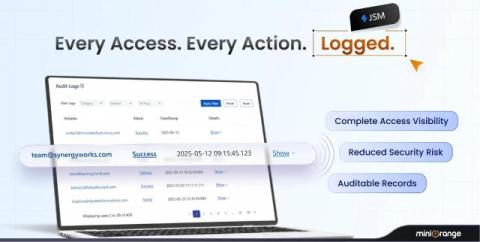
Access Governance: How to Track Access, Approvals, and Revocation with Audit Logs

As organizations continue to adopt more SaaS applications, managing access across those systems has quietly become one of the most complex operational challenges for IT teams. Identity providers, collaboration tools, cloud platforms, and business applications all have their own access models, their own admins, and their own ways of tracking permissions. In most organizations, there still isn’t a truly streamlined or automated way to handle access end to end.

Zero Trust Implementation: Why it Matters and How to Implement

Zero Trust is a security mindset and architecture that assumes no user, device, or network is inherently trustworthy, requiring continuous verification for every access request. Unlike a single tool or product, it requires a holistic strategy that integrates strong identity controls, such as MFA and least privilege access. Success with Zero Trust hinges on cultural shifts, executive buy-in, and ongoing adaptation to threats that emerge beyond the initial setup.

PunchOut Integration with Shopify: Everything You Need To Know

B2B buyers today expect corporate procurement to feel as seamless as shopping online on any modern ecommerce store, but with the higher control, stronger compliance, and streamlined approval workflows their companies require. They don’t want to toggle between supplier websites, manually handle product details, or deal with pricing inconsistencies.

Employee Cybersecurity Awareness Training: Why It Matters?

As we approach 2026, cybersecurity threats continue to escalate in complexity and frequency. With organizations increasingly reliant on digital infrastructure, the human element remains the most vulnerable entry point for cyberattacks. Studies show that 95% of data breaches stem from human errors, which can be employees clicking on malicious links, using weak passwords, or mishandling sensitive data.

Authenticate Users in Joomla Using the REST API: A Practical Guide for Developers

Modern Joomla applications are no longer limited to traditional website workflows. Today, Joomla powers mobile apps, headless frontends, third-party integrations, and backend services that rely heavily on REST APIs. In all these cases, secure API authentication becomes a foundational requirement.

Top 10 Identity Governance Software Solutions

Identity sprawl is exploding. What was once a manageable set of user accounts has rapidly evolved into a complex ecosystem, comprising human identities, service accounts, ephemeral workloads, APIs, and bots, each with its own permissions and potential blast radius. Machine identities alone now outnumber humans by more than 80:1, creating an ever-expanding attack surface that most teams can’t fully see, let alone govern.