Security | Threat Detection | Cyberattacks | DevSecOps | Compliance

Detect suspicious activity in GCP using audit logs

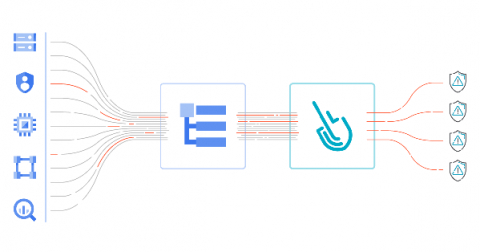
GCP audit logs are a powerful tool that track everything happening in your cloud infrastructure. By analyzing them, you can detect and react to threats. Modern cloud applications are not just virtual machines, containers, binaries, and data. When you migrated to the cloud, you accelerated the development of your apps and increased operational efficiency. But you also started using new assets in the cloud that need securing.


Collect and monitor Microsoft 365 audit logs with Datadog

Microsoft 365 is a suite of cloud-based productivity and communication services that includes Microsoft Office applications (including OneNote and OneDrive) as well as other popular Microsoft tools like Skype and Teams. Microsoft 365 tools and services are at the core of many organizations’ data management and day-to-day workflows, so monitoring activity across your environment is key to making sure that these services remain secure and meet compliance standards.

FERC Releases Staff Report on Lessons Learned from CIP Audits

In October, the Federal Energy Regulatory Commission (FERC) released its “2020 Staff Report Lessons Learned from Commission-Led CIP Reliability Audits.” The report summarizes the Commission’s observations from Critical Infrastructure Protection (CIP) audits performed in conjunction with staff from Regional Entities and the North American Electric Reliability Corporation (NERC).

Gearing Towards Your Next Audit - Understanding the Difference Between Best Practice Frameworks and Regulatory Compliance Standards

Security configuration management (SCM) can help organizations do much more than just harden their attack surfaces against intrusions. This fundamental control also has the ability to make your audits flow more smoothly. Indeed, it allows organizations to pull reports from any point in time and demonstrate how their configuration changes and alignments help to support their compliance efforts.

How to Pass an IT Compliance Audit

IT compliance requirements are designed to help companies enhance their cybersecurity and integrate top-level protection into their workflows. But passing an IT security audit can be challenging. Complex requirements, constant changes in standards and laws, and audit processes, and a high number of required security procedures are the key challenges of maintaining compliance. The way out is with careful preparation and smart planning.

Upping the Auditing Game for Correlation Searches Within Enterprise Security - Part 1: The Basics

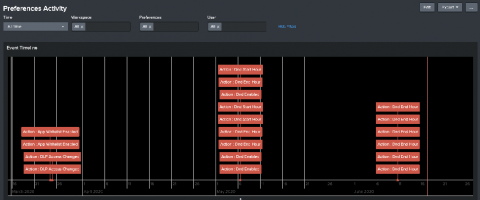
One question I get asked frequently is “how can I get deeper insight and audit correlation searches running inside my environment?” The first step in understanding our correlation searches, is creating a baseline of what is expected and identify what is currently enabled and running today. Content Management inside Splunk Enterprise Security is a quick way to filter on what is enabled (and it’s built into the UI and works out of the box).

What Is a Cybersecurity Audit and Why Does it Matter?

As organizations embrace new digital technologies, the risk of cybersecurity threats is growing steadily. Digital transformation is increasing network complexity, which often creates security weaknesses and potential entry points for cyber adversaries to exploit. If left unaddressed, these cyber risks can disrupt business processes and harm goals. Therefore, effective cybersecurity policies and programs have become essential. A critical element of these programs is conducting regular cybersecurity audits.

Splunking Slack Audit Data

The Slack Audit Logs API is for monitoring the audit events happening in a Slack Enterprise Grid organization to ensure continued compliance, to safeguard against any inappropriate system access, and to allow the user to audit suspicious behavior within the enterprise. This essentially means it is an API to know who did what and when in the Slack Enterprise Grid account. We are excited to announce the Slack Add-on for Splunk, that targets this API as a brand new data source for Splunk.

Netwrix Auditor for Windows File Servers - Overview

Netwrix Auditor for Windows File Servers maximizes visibility into what's going on across Windows file servers by classifying sensitive data and providing actionable audit data about all changes made to files, folders, shares and permissions; and reporting on both successful and failed access attempts. Today, it’s hard to imagine an enterprise that doesn’t rely on file servers to store its data — including valuable and sensitive data. This makes file servers a key target for all sorts of attackers, including both anonymous hackers and disgruntled employees.

When's the Right Time for an Open Source Audit?

How much do you really know about your open source usage? Can you identify what open source components you’re using? How about which licenses are in play and whether you’re compliant? Do you have a good sense of how many open source security vulnerabilities are in your code base and how to remediate them? Chances are, if you’re like most organizations, you can’t answer all of these questions.