In this blog post, I will be talking about audit and compliance and how to implement it with Calico. Most IT organizations are asked to meet some standard of compliance, whether internal or industry-specific. However organizations are not always provided with the guidance to implement it. Furthermore, when guidance has been provided, it is usually applicable to a more traditional and static environment and doesn’t address the dynamic nature of Kubernetes.
While we all know the actual point of PCI is vastly more far-reaching, we can’t deny that the juggernaut of PCI DSS 4.0 compliance is getting past the auditors. However, there is a right way to do it that doesn’t just check the box – it creates the underlying business operations that enable you to pass an audit any day, at any time, with just the processes you have in hand. Here’s how.
Companies nowadays deal with vast amounts of data that are sensitive and to be protected at all times. While measures are adopted by them to ensure the safety of their applications and data, it is prudent to regularly test the efficacy of the adopted security measures.
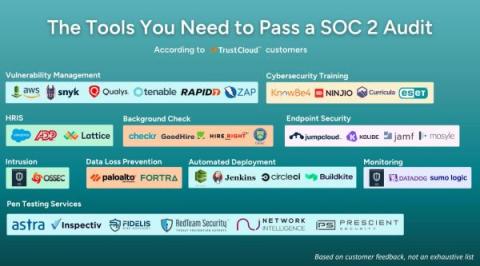
Achieving SOC 2 compliance often necessitates the use of specialized tools and software to address specific application and data security measures, but which ones are the best to get the job done? We asked our customers which tools they used and compiled their answers below. Now, let’s break down the tools that have helped our customers achieve compliance excellence, so you can, too. Tools or services marked with * denotes a partner or integration.
POV: an important prospect requires all of their partners to get a SOC 2 audit. You’ve just met with your auditing firm and you’ve been tasked with evidence collection, which sounds like tracking down a lot of people and documents. No one can tell you when the RFP knowledge base was last updated. The sales team is asking how long it will take, and can it go faster? You sit back and wonder the same thing: is it possible, and if so, how?