Security | Threat Detection | Cyberattacks | DevSecOps | Compliance

Applying the principle of least privilege to Kubernetes using RBAC

The principle of least privilege (PoLP) is a defensive strategy in the software development world. Alternatively called the principle of minimal privilege or the principle of least authority, PoLP ensures that users can only access the systems, processes, networks, and files required to complete their assigned tasks. When properly configured, unauthorized users can’t navigate to restricted application functions or switch roles.

Best practices for container isolation

Containers are a standardized software packaging format that provides a predictable, replicable way to run applications. Container isolation is one of the primary benefits of containerized applications. Using containers enables us to isolate our software from its environment, increasing consistency and reliability across our development and staging environments. You’re probably familiar with — or are using — Docker containers.

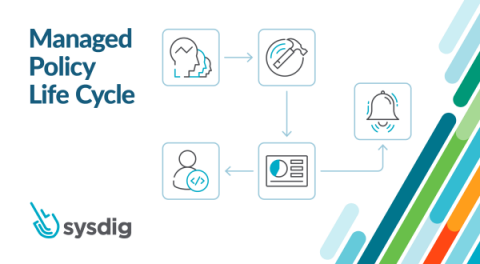
Introducing Managed Policies for Sysdig Secure

Whether you’re learning cloud-native workload protection for the first time or running all your microservice workloads in production, you probably already noticed that cloud-native security is much different from security design used for traditional monolith applications. The dramatic increase in complexity and the evolving threat landscape make cloud and container security even more critical and harder to manage.

8 tips for securing containers from source to runtime

Today we’re announcing a new container security cheat sheet and report — created in collaboration with our partner Sysdig. Download cheatsheet In this post, we’ll outline tips to help you successfully navigate the challenges of container security with a focus on three core principles: Traditional security approaches are incapable of handling the distributed and ephemeral nature of containers.

Keeping Docker secrets secure (even if you're not using Kubernetes)

Distributed containerized systems compose applications, resources, services, databases, and other artifacts. These components often need sensitive information such as user keys, passwords, API keys, and certificates to function properly. Secrets management is critical for adequately handling sensitive information and Kubernetes deployments often utilize their built-in Secrets resource type and associated RBAC controls but what if you aren’t deploying on Kubernetes?

SBOM 101 - All the questions you were afraid to ask Software Bill of Materials

During many recent security incidents, we hear a lot of messages about the lack of knowledge of the code dependencies, attacks to the software supply chain, Software Bill of Materials (SBOM), digital signatures, provenance, attestation, etc. The fact is, every time a new vulnerability appears in the landscape, we usually need to spend a lot of time and effort to detect the real impact on the applications and services that are running in our environment.

Kubernetes version 1.25 - everything you should know

Kubernetes' new version - version 1.25 - will be released on Tuesday 23rd August 2022, and it comes with 40 new enhancements in various areas and numerous bug fixes. This blog will focus on the highlighted changes from each special interest group (SIG) in the upcoming release and ensure you are confident before upgrading your clusters.

Code repository scanning & Container image registry scanning with Kubescape

New exciting Kubescape features have recently landed - Code repository scanning & Container image registry scanning! By enhancing Kubescape's security posture capabilities, you will be able to embed security even earlier in the SDLC (Software Development Lifecycle) and in a broader range of places in your CI/CD pipeline.

The Evolution of Application Security in a Cloud-Native World: Q&A with Chris Wysopal

As technology explodes, so do the threats. Point solutions emerge as security players innovate in order to keep up. This creates the need for consolidation, as the fragmented solutions become too much to manage. We’re entering a consolidation phase now, the process of distilling, refining, and letting the cream rise to the top. We sat down with cybersecurity veteran and vigilante, Chris Wysopal, to get his perspective on emerging trends in cloud-native security.