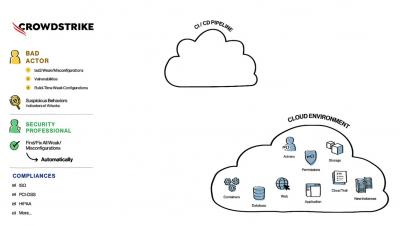
Vulnerabilities are only one part of the cloud security story. Misconfigurations are still the biggest player in security incidents and, therefore, should be one of the greatest causes for concern in organizations.
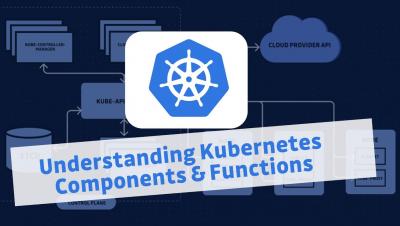
Kubernetes is an open source orchestration platform for containerized workflows. It is the best way to manage – or orchestrate – large clusters of containers at scale. Sometimes abbreviated as K8s, Kubernetes helps you efficiently manage clusters of hosts running Linux containers. In the age of containers, Kubernetes has become a popular open source project and key building block for modern tech infrastructure.
Secrets, such as usernames, passwords, API tokens, and TLS certificates, contain confidential data that can be used to authenticate and authorize users, groups, or entities. As the name implies, secrets are not meant to be known or seen by others. So how do we keep them safe? The key to keeping secrets safe lies within how you manage them.
With today’s announcement of the Wiz/SentinelOne partnership and other recent launches, like Orca/ThreatOptix, we are seeing cloud security players publicly validate that they can no longer compete without a compelling runtime security solution. Agentless technology enabled young companies to solve the low-hanging fruit problem of periodic cloud security assessment.
MITRE ATT&CK and MITRE D3FEND are both frameworks developed by the non-profit organization MITRE, but they serve different purposes. If you are new to the MITRE ATT&CK framework and would like to brush up on some of the concepts first, we created a Learn Cloud Native article to help you on your journey. If you want to go further, here’s how Falco’s Cloudtrail rules align with MITRE ATT&CK.