LXC (LinuX Containers) is a OS-level virtualization technology that allows creation and running of multiple isolated Linux virtual environments (VE) on a single control host. These isolation levels or containers can be used to either sandbox specific applications, or to emulate an entirely new host. LXC uses Linux’s cgroups functionality, which was introduced in version 2.6.24 to allow the host CPU to better partition memory allocation into isolation levels called namespaces .
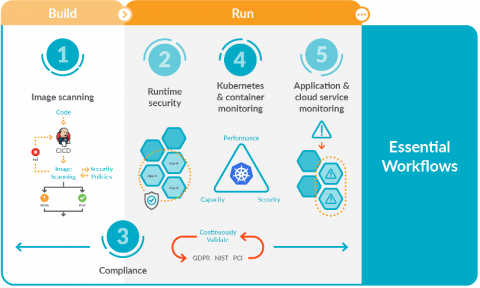
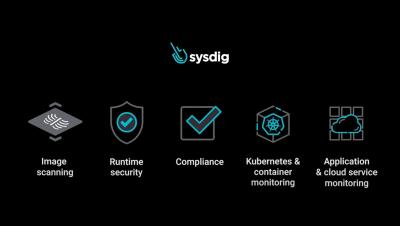
Focusing on these five essential workflows for secure DevOps will help you get started implementing monitoring, security, and compliance for containers and Kubernetes. You might be starting to adopt DevOps and find that it dramatically simplifies deploying applications in containers and Kubernetes. However, you probably also found that it adds a new set of complexities for managing, securing, and troubleshooting applications.
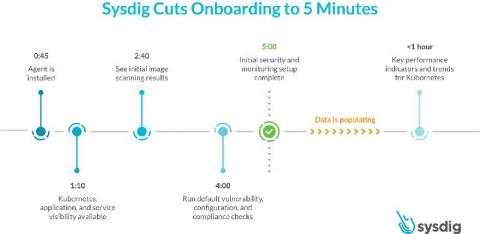
Today, we are excited to announce a faster onboarding for Kubernetes visibility and security. With the SaaS-first approach and new enhancements to the Sysdig Secure DevOps Platform, you can get results after just a five-minute setup. This release includes a new guided onboarding process, out-of-the-box dashboards as part of curated essential workflows, and a new Sysdig Essentials tier. 5 minutes to onboard secure DevOps - YouTube An error occurred.
Don’t miss out on these 12 image scanning best practices, whether you are starting to run containers and Kubernetes in production, or want to embed more security into your current DevOps workflow. One of the main challenges your teams face is how to manage security risk without slowing down application delivery. A way to address this early is by adopting a Secure DevOps workflow.